Choosing helper

Is Westerplatte worth visiting, and for how long?

The quick version

Westerplatte is worth visiting for anyone who wants to see where the Second World War began; allow a few hours for the grounds, the guardhouse and the exhibition.

Verdict essentials

  • War began here, 1 September 19391
  • Only Polish post open to visitors2
  • Last exhibition entry 45 min early22

Two questions, one way to visit

How to see Westerplatte in the time you have

Tell us how much time you have and how you want to learn, and a way to visit appears with its starting price.

1How much time can you give Westerplatte?

Is Westerplatte worth visiting? For anyone who wants to understand how the Second World War began, yes. Here is what remains, how long to allow, and how to visit with care.

Editorial team, westerplattecruise.click · Updated November 9, 2026 · 7 min reading time

In brief

  • Why goThe war began here with the attack of 1 September 1939.1
  • What remainsRuins, a guardhouse museum, a cemetery and a monument.2,3
  • Time neededAllow a few hours; the grounds cover a large area.4
  • Free dayThe archaeology exhibition charges nothing on Tuesdays.5
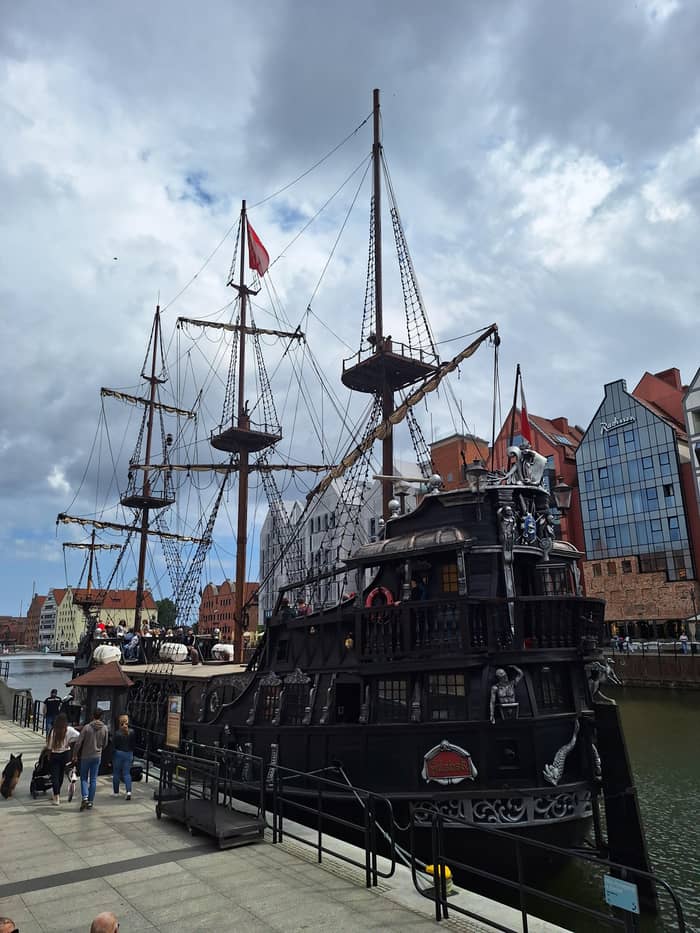
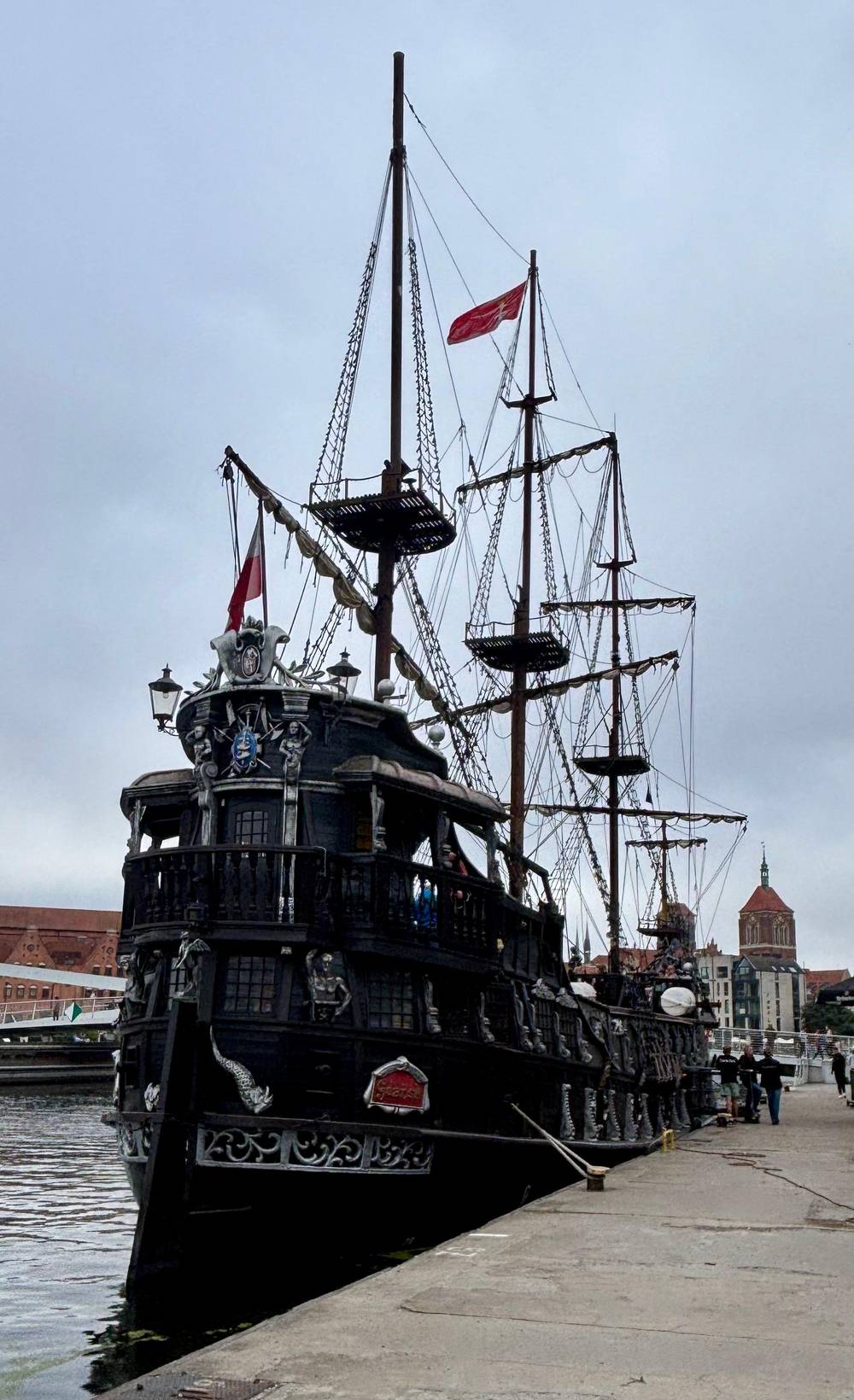
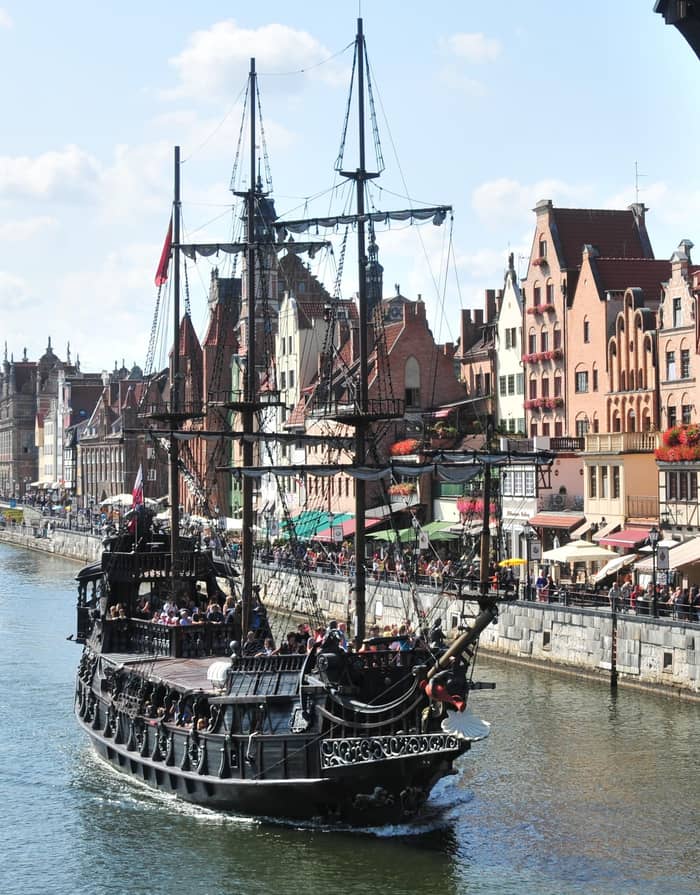
  • From the waterThe galleon loop shows it in 80 minutes, without landing.

Is Westerplatte worth visiting? The short answer

Yes, if you come for what it is. For Visit Gdansk the Second World War broke out with the assault on this peninsula on 1 September 1939, and the ground keeps the traces of that week: ruined buildings, a guardhouse that held out, graves and a monument.1 It is a place to understand and to remember, not an attraction in the usual sense.

What makes it worth the trip is authenticity. The museum building up the site describes its aim as preserving the battlefield as it is, and its open-air layout lets you see the remains in their original landscape.6,7 Standing among the trees where the depot stood, with ships passing in the channel, tells you more about the scale of the events than any photograph.

It is not for everyone. If you are short of time in Gdansk and have no interest in military history, the Old Town and the war museum in the city centre may serve you better, and Visit Gdansk itself suggests beginning a journey through wartime history at that museum.8 For anyone with a family link to the war or a wish to understand it, Westerplatte belongs on the list.

On the ground

The main places at Westerplatte

PlaceWhat it isEntry
Guardhouse No. 1Defence post, now a museumPLN 8 normal, in season
Power stationArchaeology exhibitionFree on Tuesdays
Soldiers' cemeteryGraves of the defendersOpen-air
MonumentDefenders of the CoastOpen-air
Visitor CentreInformation, cafe, shopFree to enter

From the Museum of Gdansk and the WWII Museum.19,5,3,11,20,21

What there is to see on the peninsula

Begin where the road reaches the peninsula, at the Visitor Centre, whose desk can sketch a route for you and put you in touch with a guide.12,9 From there the paths lead to the remains of the Polish Military Transit Depot, which operated on Westerplatte from 1926 until the war.13 Signs mark the main points, but the remains are spread out, and a route planned at the start saves walking back and forth.

Of all the Polish defence posts, Guardhouse No. 1 is currently the one you can enter, and it holds keepsakes of the depot and the men who defended it.2,14 The former power station now houses the archaeology exhibition, built on finds from the excavations that began in 2016 and including a reconstructed section of the fifth guardhouse of the depot.15,16,17

The soldiers' cemetery, a new resting place created by the museum and opened in 2022, is a place to pause.3 In 2019 the museum's archaeologists uncovered nine fallen defenders; seven now have names again, and all nine lie here.18 Above it all stands the Monument to the Defenders of the Coast, the end point of the long cycle route from Sopot.11

A half-day visit

Westerplatte at an unhurried pace

  1. Arrival

    Visitor Centre

    Pick up a route and ask about guides.9

  2. First hour

    Guardhouse No. 1

    The one defence post whose door is open today.2

  3. Next

    The power station

    Finds from the dig, shown daily except Mondays, 10:00 until 16:00.10

  4. Then

    The cemetery

    Graves of the defenders, laid out in 2022; a quiet stop.3

  5. Last

    The monument

    The granite memorial to the coast's defenders, facing the bay.11

How long do you need at Westerplatte

How long do you need at Westerplatte depends on how much you want to read and see. The museum plans an open-air site of approximately 26 hectares, and walking between the guardhouse, the power station, the cemetery, the ruins and the monument takes time even before you stop.4 Most of all, it takes time to absorb.

As a rough guide, a walk around the grounds with a look at the monument and the cemetery suits a short visit of an hour or two. Adding the archaeology exhibition and Guardhouse No. 1 turns it into a half day. Watch the time: apart from Mondays the exhibition keeps a 10:00 to 16:00 day, and the door closes to newcomers 45 minutes early.10,22

If you are relying on public transport, build the return into your plan. Buses run every day, and the boat timetable includes reserve sailings that may not run.23,24 Seeing the site from the water on the galleon takes 80 minutes in all, with no time ashore, and works as a preview or as a visit in itself when time is short.

Who it suits

Ways to visit Westerplatte

Half a day

History readers

Every ruin and plaque

  • StartVisitor Centre
  • AddExhibition and guardhouse
  • Best dayTuesday, free entry
Plan your visit

Shorter visit

Families

Children of school age

  • StartThe galleon view
  • ThenGrounds and monument
  • RuleUnder 12s with an adult
Plan your visit

From the water

Short on time

Gdansk in a day or two

  • OptionGalleon round trip
  • Length80 minutes
  • AshoreNo
Plan your visit

A Westerplatte guided tour or on your own

You can walk the grounds on your own, using the information boards and the route advice of the Visitor Centre. A Westerplatte guided tour adds context that the ruins alone cannot give: who stood where, how the garrison lived, and what happened to the buildings afterwards. The Visitor Centre can help you find a guide on the spot.9

Inside the exhibition, only guides recommended by the museum may lead visitors, and the museum does not run guiding itself.26 Guided groups in the exhibition are limited to 25 people, as the space is small.27 For the grounds, bookable options include a guided walk of 1.5 - 2.5 hours that starts by the dock.

A private guide suits families and those with specific interests. A private walk of 2 hours on the battlefield is listed from €145, meeting by the plaques to the defenders. Whatever you choose, read a little before you go; the page on the battle on this site is a good start. Knowing the outline of the seven days beforehand turns each ruin into a chapter of the story.28

Ways to see it

What a visit costs your group

Compare a guided walk ashore with the view from the water.

Compare 3 side by side

What a visit costs your group

Compare a guided walk ashore with the view from the water.

2 people
  1. Guided walk ashore1.5 - 2.5 hours · per visitor from €43

    ≈

    View
  2. Galleon round trip80 min, no landing · per visitor from €21

    ≈

    View
  3. Second galleon80 min, no landing · per visitor from €29

    ≈

    View

These from-prices come from GetYourGuide and are converted using the ECB reference rate; the exact price shows at checkout.

Visiting with children

Children are welcome, and the museum rules, which also cover school groups, ask that children under 12 stay in the care of an adult across the site, including the buildings and the cemetery.25 Children up to 7 years of age enter the exhibition free.29 The open grounds and the shoreline give young visitors room to move between the quieter stops.

How to explain the place depends on the child. Younger children can understand that soldiers once guarded this spot, that a battle began here, and that people come to remember those who died. Older children often respond to the personal stories, such as the defenders whose remains were found and identified decades later.18

The galleon is a gentle way in for families: the ship itself is fun, and the view of the monument from the water starts the conversation. If you then visit on foot, prepare children for the cemetery, where quiet is expected. Plan a break at the Visitor Centre cafe, which looks out over Gdansk Bay.20 A pause there between the cemetery and the ruins helps younger children reset.

Video

Exploring the place where the war began

Bryce Walker on YouTube · The video stays unloaded until you press play.

The open-air nature of the museum will allow visitors to discover relics of the past in their original landscape.
Museum of the Second World War in Gdansk (muzeum1939.pl)7

With respect

Before you walk the site

Behaviour3

  • Keep voices low near the graves
  • Stay on the paths in the cemetery
  • Dress with the place in mind

Rules3

  • Children under 12 stay with an adult25
  • Guide and assistance dogs only in buildings
  • No tripod without permission

Comfort2

  • A warm layer for the wind off the bay
  • Water for a walk of several hours

How to behave at a war cemetery

Westerplatte is a battlefield and a burial ground, and the museum rules say so plainly: visitors are expected to behave with due seriousness and respect.30 Loud behaviour and disturbing other visitors are forbidden, and so is drinking alcohol on the grounds.31,32 Visitors whose dress does not suit the seriousness of the place may be refused entry.33

Some rules are practical. Animals may not enter the museum buildings or the soldiers' cemetery, with an exception for guide and assistance dogs.34 Cyclists may not ride into the cemetery.35 Photography is part of most visits, but filming or photographing with extra lighting, or using a tripod without permission, is not allowed.36

Beyond the rules, common sense applies. Do not climb on ruins or monuments, keep to the paths in the cemetery, and think before posing for photographs at the graves. On commemoration days the site is busy with ceremonies; the page on the 1 September commemoration describes what to expect. On ordinary days, a moment of silence at the cemetery is the simplest sign of respect.

Accessibility and comfort

Disabled visitors are catered for in the Visitor Centre building, which also has a restaurant and a cafe.37,20 The grounds themselves are an open-air site with paths through grass and woodland, and building work for the new museum has fenced off parts of it.38 Ask at the Visitor Centre about the easiest routes on the day.

Only low-floor buses run on the routes to Westerplatte, which helps anyone using a wheelchair or a pushchair.39 The galleon listing is marked wheelchair accessible, an option for those who cannot walk far but want to see the site. Bicycles have racks and a repair station by the Visitor Centre, and the Visitor Centre was built with the needs of disabled visitors in mind.40,37

Dress for the coast. The peninsula faces the open bay, and the wind can be sharp even when the city feels mild; the national tourism body notes that the sea makes summer temperatures on the coast lower than elsewhere in Poland.41 Comfortable shoes, a warm layer and water make the visit easier at any time of year.

FAQ

Straight answers to common questions.

Is Westerplatte worth visiting?
Yes, for its history.

The war began with the assault here on 1 September 1939, and ruins, a guardhouse, graves and a monument still stand.1,2

How long should I spend at Westerplatte?
A few hours for a full visit.

The grounds are extensive, and latecomers are not admitted to the exhibition in its final 45 minutes.4,22

Is there a guided tour at Westerplatte?
Yes, by arrangement.

The Visitor Centre helps you find a guide; only museum-recommended guides lead in the exhibition.9,26

Is Westerplatte suitable for children?
Yes, with an adult.

Children under 12 must stay with an adult on the site, and under 7s enter the exhibition free.25,29

Is Westerplatte free to visit?
The grounds are open-air.

The archaeology exhibition is free on Tuesdays; Guardhouse No. 1 charges PLN 8 in season.5,19

Can I bring my dog to Westerplatte?
Not into the cemetery or buildings.

Animals are barred from the museum buildings and the soldiers' cemetery, except guide and assistance dogs.34

Can I see Westerplatte without going ashore?
Yes, from the galleon.

The round trip circles the peninsula and its monument in 80 minutes without landing.

Sources

  1. Visit Gdansk, Gdansk Tourist Organisation · Places associated with the Second World War ↩
  2. Visit Gdansk, Gdansk Tourist Organisation · Places associated with the Second World War ↩
  3. Museum of the Second World War in Gdansk (muzeum1939.pl) · Mission of the Westerplatte Museum ↩
  4. Museum of the Second World War in Gdansk (muzeum1939.pl) · Mission of the Westerplatte Museum ↩
  5. Museum of the Second World War in Gdansk (muzeum1939.pl) · Regulamin Muzeum Westerplatte (visitor rules, Polish) ↩
  6. Museum of the Second World War in Gdansk (muzeum1939.pl) · About the Westerplatte Museum ↩
  7. Museum of the Second World War in Gdansk (muzeum1939.pl) · Mission of the Westerplatte Museum ↩
  8. Visit Gdansk, Gdansk Tourist Organisation · Places associated with the Second World War ↩
  9. Museum of the Second World War in Gdansk (muzeum1939.pl) · Visitor Centre at Westerplatte ↩
  10. Museum of the Second World War in Gdansk (muzeum1939.pl) · Opening hours of the Westerplatte Museum ↩
  11. Visit Gdansk, Gdansk Tourist Organisation · Cycling routes ↩
  12. Museum of the Second World War in Gdansk (muzeum1939.pl) · Visitor Centre at Westerplatte ↩
  13. Museum of the Second World War in Gdansk (muzeum1939.pl) · Work goes on at Westerplatte: power plant exhibition ↩
  14. Museum of Gdansk (muzeumgdansk.pl) · Wartownia nr 1 na Westerplatte (Guardhouse No. 1, Polish) ↩
  15. Museum of the Second World War in Gdansk (muzeum1939.pl) · Visitor Centre at Westerplatte and the new archaeology exhibition opened ↩
  16. Museum of the Second World War in Gdansk (muzeum1939.pl) · Archaeological research at Westerplatte ↩
  17. Museum of the Second World War in Gdansk (muzeum1939.pl) · Work goes on at Westerplatte: power plant exhibition ↩
  18. Museum of the Second World War in Gdansk (muzeum1939.pl) · Mission of the Westerplatte Museum ↩
  19. Museum of Gdansk (muzeumgdansk.pl) · Museum of Gdansk branches: hours and prices ↩
  20. Museum of the Second World War in Gdansk (muzeum1939.pl) · Visitor Centre at Westerplatte ↩
  21. Museum of the Second World War in Gdansk (muzeum1939.pl) · Visitor Centre at Westerplatte ↩
  22. Museum of the Second World War in Gdansk (muzeum1939.pl) · Regulamin Muzeum Westerplatte (visitor rules, Polish) ↩
  23. Museum of the Second World War in Gdansk (muzeum1939.pl) · Westerplatte: how to get here ↩
  24. Zegluga Gdanska (zegluga.pl) · Rejs Gdansk - Westerplatte (cruise page with 2026 fares) ↩
  25. Museum of the Second World War in Gdansk (muzeum1939.pl) · Regulamin Muzeum Westerplatte (visitor rules, Polish) ↩
  26. Museum of the Second World War in Gdansk (muzeum1939.pl) · Regulamin Muzeum Westerplatte (visitor rules, Polish) ↩
  27. Museum of the Second World War in Gdansk (muzeum1939.pl) · Regulamin Muzeum Westerplatte (visitor rules, Polish) ↩
  28. Museum of Gdansk (muzeumgdansk.pl) · Museum of Gdansk branches: hours and prices ↩
  29. Museum of the Second World War in Gdansk (muzeum1939.pl) · Westerplatte: tickets and prices ↩
  30. Museum of the Second World War in Gdansk (muzeum1939.pl) · Regulamin Muzeum Westerplatte (visitor rules, Polish) ↩
  31. Museum of the Second World War in Gdansk (muzeum1939.pl) · Regulamin Muzeum Westerplatte (visitor rules, Polish) ↩
  32. Museum of the Second World War in Gdansk (muzeum1939.pl) · Regulamin Muzeum Westerplatte (visitor rules, Polish) ↩
  33. Museum of the Second World War in Gdansk (muzeum1939.pl) · Regulamin Muzeum Westerplatte (visitor rules, Polish) ↩
  34. Museum of the Second World War in Gdansk (muzeum1939.pl) · Regulamin Muzeum Westerplatte (visitor rules, Polish) ↩
  35. Museum of the Second World War in Gdansk (muzeum1939.pl) · Regulamin Muzeum Westerplatte (visitor rules, Polish) ↩
  36. Museum of the Second World War in Gdansk (muzeum1939.pl) · Regulamin Muzeum Westerplatte (visitor rules, Polish) ↩
  37. Museum of the Second World War in Gdansk (muzeum1939.pl) · Visitor Centre at Westerplatte ↩
  38. Museum of the Second World War in Gdansk (muzeum1939.pl) · Westerplatte: how to get here ↩
  39. Museum of the Second World War in Gdansk (muzeum1939.pl) · Westerplatte: how to get here ↩
  40. Museum of the Second World War in Gdansk (muzeum1939.pl) · Westerplatte: how to get here ↩
  41. Polish Tourism Organisation (poland.travel) · Poland weather: everything you need to know about Polish climate ↩

Before you leave

Hold a sailing, pay later.

Reserve the galleon trip now and pay nothing yet; cancelling stays free until 24 hours before you sail.

View availability