Choosing helper

The battle of Westerplatte movie, and the history behind it

The quick version

The best-known battle of Westerplatte movie is Westerplatte, the 1967 film by Stanisław Różewicz; Tajemnica Westerplatte by Paweł Chochlew followed in 2013.

Before you watch

  • The 1967 film won a Silver Prize in Moscow2
  • Zygmunt Hübner plays Major Sucharski15
  • Some guardhouse scars were made for filming4

Two questions, one way in

From the film to the real Westerplatte

Say how much time you have and how you like to learn, and a way to see the site appears with its starting price.

1How much time do you have in Gdańsk?

Looking for a battle of Westerplatte movie before you go? Feature films tell the story, and the archive pictures were partly made by the attackers. What each shows and what it leaves out.

Editorial team, westerplattecruise.click · Updated November 9, 2026 · 7 min reading time

In brief

  • The classicWesterplatte, 1967, directed by Stanisław Różewicz.1
  • Its prizeSilver Prize, Moscow film festival, 1967.2
  • The newer filmTajemnica Westerplatte, 2013, by Paweł Chochlew.3
  • On locationSome gouges on Guardhouse No. 1 were made for the 1967 film.4
  • Archive picturesHitler sent his own photographer to the capitulation.5

Which films tell the story

There is more than one battle of Westerplatte movie, and they come from very different times. The older one is Westerplatte, a Polish feature of 1967 directed by Stanisław Różewicz.1,6 The second is Tajemnica Westerplatte, a feature film of 2013 directed by Paweł Chochlew; its title means the secret of Westerplatte.3 The heritage institute notes that the defenders' memory lives on in many works of literature and film.7

Before any film there was a poem. Konstanty Ildefons Gałczyński wrote verses for the defenders of Westerplatte in September 1939, while Poland was still fighting.8 Radio did the rest: announcements that the defence of Westerplatte was continuing were heard across the country amid news of defeat.9 By the time cinema came to the subject, the battle was already a national legend, and every film since has had to deal with that.

The films also sit inside a long argument about the past. The Gdańsk tourist guide to the site warns that many false myths and misunderstandings have grown around Westerplatte.10 Knowing where the official record is firm, and where it is not, is the best way to watch either film with open eyes. Both films are dramas, not documents, and both were shaped by the years in which they were made.

Screen and record

Questions any film has to answer, and the record

QuestionWhat the record saysSource
When did the shelling start?Between 4:45 and 4:48 AMSeveral official bodies
How long did they hold?7 daysMuseum of Gdańsk
How many defenders?About 200 to 220Varies by source
How many Poles were killed?15Museum of Gdańsk
Did Sucharski try to give up early?DisputedCity timeline vs Drzycimski
German losses?Unknown or estimatedMuseum of Gdańsk, city

Answers drawn from the city, its museum and the national heritage bodies.21,22,23,24,25,26,27,28,29,30

The Westerplatte film of 1967

The older Westerplatte film comes first in any list.1 The national film archive's record gives Stanisław Różewicz as director, 1967 as the year and Poland as the country, with the rights held by WFDiF after the Tor film studio.1,13 Zygmunt Hübner played the commandant, Major Henryk Sucharski.14 The film won the Silver Prize at the Moscow International Film Festival of 1967 along with numerous national awards.2

The Polish Film Festival in Gdynia ranks it among the finest and most absorbing war films made in Poland.15 Its note describes a story in which dreams of victory fade in a hopeless, uneven fight, and a soldier's adventure turns into daily toil and pain.16 In the festival's reading, the conflict between good and evil gives way to respect for the enemy.17

At its heart is the question the defenders really faced: what duty to your country means. The festival frames it as a choice between caring for those who survived and fighting at any cost.18 The director and screenwriter, it says, side with reason without dismissing the heart.19 That is the same tension historians still argue about when they discuss the decision to surrender on 7 September.20

On page and screen

How the story reached a wider audience

  1. September 1939

    Gałczyński's poem

    Written for the defenders during the fighting.8

  2. 1967

    Westerplatte

    Directed by Stanisław Różewicz.1

  3. 1967

    Silver Prize

    At the Moscow International Film Festival.2

  4. 2013

    Tajemnica Westerplatte

    A feature film by Paweł Chochlew.3

  5. 7 September 2014

    IPN screening

    In Białystok, with a historian's talk.3

  6. Today

    Museum profiles

    Videos of the identified defenders.11,12

Filmed on the battlefield itself

The older film left traces on the place it portrays. The Gdańsk Tourist Organisation's visitor guide points out that the facade of Guardhouse No. 1 is covered in gouges and chips from hits, some authentic and some made for the filming.4 Look closely when you visit: not every scar on the concrete dates from the battle, and the guide does not say which are which. Treat the wall as a record of the battle and of its memory at once, the real shell hits and the way the fighting was later re-created.4

The guardhouse itself was moved in 1967, the year of the film's prize, to save it from demolition on the port quay.31,2 Inside, the city museum keeps keepsakes of the garrison; the tourist guide lists Major Sucharski's uniform jacket, photographs, weapons and a model of the battleship.32,33 Spend a few minutes there before or after the film and each will explain the other.

The same guide judges the 1967 film a valuable work of real historical worth, and far better, it says, than Tajemnica Westerplatte.4 That is the view of a tourist guide, not a court of history, but it matches the Gdynia festival's own praise for the older film.15 If you want a single film to set the mood before a visit, the 2 sources point the same way.

Where to begin

Films and material to see before you go

The classic

Westerplatte, 1967

Directed by Stanisław Różewicz

  • Year1967
  • AwardSilver Prize, Moscow
  • SucharskiZygmunt Hübner
Plan your visit

The newer film

Tajemnica Westerplatte

Directed by Paweł Chochlew

  • Year2013
  • KindFeature film
  • Watch withThe history in mind
Plan your visit

Free online

The museum's own material

Profiles and 3D models

  • Profiles7 defenders
  • ModelsDigital Westerplatte
  • CostFree
Plan your visit

Tajemnica Westerplatte, 2013

Tajemnica Westerplatte is the newer feature, made in 2013 by Paweł Chochlew.3 It was shown, for example, by the Institute of National Remembrance in Białystok on 7 September 2014, the anniversary of the capitulation, with a talk by one of its historians.3,20 That a state remembrance institute screened it with an introduction says something: the film is best seen with the history beside it.

Its title points to a mystery, and the central argument in the record concerns the 2 commanders. The city's chronology has the commandant choosing capitulation once the dive bombers had gone on 2 September, and his deputy and fellow officers refusing.28 The historian Andrzej Drzycimski, interviewed by the city's news service, dismisses that account as a rumour found in no Polish or German document.29,36

Watch any dramatisation of that dispute with both readings in mind. The education ministry's account divides the command: Sucharski on 1 and 2 September, Dąbrowski from 2 to 7 September.37 Drzycimski, by contrast, points out that the Germans had planned a heavy air attack for 8 September.38 Today Sucharski is buried on the peninsula, and Dąbrowski is remembered there by the cross that bears his name.39,40

See it for real

What a trip to the peninsula costs

Pick how you want to see Westerplatte, then set your group size.

Compare 3 side by side

What a trip to the peninsula costs

Pick how you want to see Westerplatte, then set your group size.

2 people
  1. Galleon round trip80 minutes · per visitor from €21

    ≈

    View
  2. Second galleon departure80 minutes · per visitor from €29

    ≈

    View
  3. Guided walk on site1.5 - 2.5 hours · per visitor from €43

    ≈

    View

These from-prices come from GetYourGuide and are converted using the ECB reference rate; the exact price shows at checkout.

The archive pictures and who took them

The German side made a point of recording those September days, and that shapes every film made since.5 Reporters from the Reich followed the fighting from the Nowy Port side of the channel, and a radio van sent it out live.41,42 Hitler sent his own photographer, Heinrich Hoffmann, to capture the capitulation.5

The pictures were meant for a quick triumph that did not come. As days passed, German reports shifted to stories of mighty fortifications and called the depot a little Verdun.43 After Hitler's visit to the peninsula, the Germans brought a group of foreign correspondents to Gdańsk, among them William L. Shirer, later author of The Rise and Fall of the Third Reich.44,45

The City of Gdańsk publishes a selection of these photographs, from the National Digital Archive, on its news site.46 Look at them knowing their purpose: they show what the attackers wanted the world to see, framed for a quick victory that did not come. Read the captions with the same care you would give to any wartime propaganda.

Video

Westerplatte, history and memory, from the Museum of the Second World War

Muzeum II Wojny Światowej w Gdańsku on YouTube · The video stays unloaded until you press play.

And then there is a key question: what does it mean to have a duty to your country? Is it taking care of those who survived and may serve it well or is it fighting at all costs till the last drop of blood?
Polish Film Festival in Gdynia18

Before and after

From the screen to the site

Before the trip3

  • Watch Westerplatte, the 1967 film1
  • Read the commanders' dispute in both versions28,29
  • Watch the museum's profiles of the identified men11

On the peninsula3

  • Look at the scarred facade of Guardhouse No. 14
  • The power plant show opens 10:00-16:00, Tuesday to Sunday34
  • Behave with gravity and respect on the grounds35

Beyond feature films: the museum's own material

The Museum of the Second World War offers material that no feature film can. It publishes short video profiles of the defenders identified from remains found in 2019, and 7 have been identified so far.11,12,47 Each profile gives a face to a name you will later read on a stele. Through Digital Westerplatte it presents 3D models of the depot online.48

On the peninsula, the exhibition in the old power plant shows what archaeologists have dug up, including traces of the camp for Polish civilian prisoners the Germans set up after the fighting.49 Its curators want visitors to understand that Westerplatte was also a place of German crimes against civilians, a side of the story that battle films rarely show.49

In 2026 the city streamed part of the 1 September commemorations on its portal.50,51,52 Watching the dawn ceremony at 4:45 AM, even on a screen, is a sober complement to any drama: no actors and no script, only the anthem, the roll call of the fallen and the salute.51,53 It reminds you that the story is a living ceremony, not only a plot on a screen.

What to watch before you visit

If you see only one film, choose the 1967 Westerplatte: the festival and tourist guide both praise it, and it was filmed partly on the site you will walk.15,4 Then compare it with the record, scene by scene if you like. Orders asked for roughly 12 hours of resistance; the garrison lasted 7 days and lost 15 men.24,54,27

If you have time for 2, watch Tajemnica Westerplatte next, keeping the dispute over the commanders in mind. Keep the facts that are not in dispute in mind: the depot surrendered on 7 September after the wounded could no longer be treated, and the Germans granted honourable terms.55,56 Films may disagree about motives; the official record agrees about the outcome.

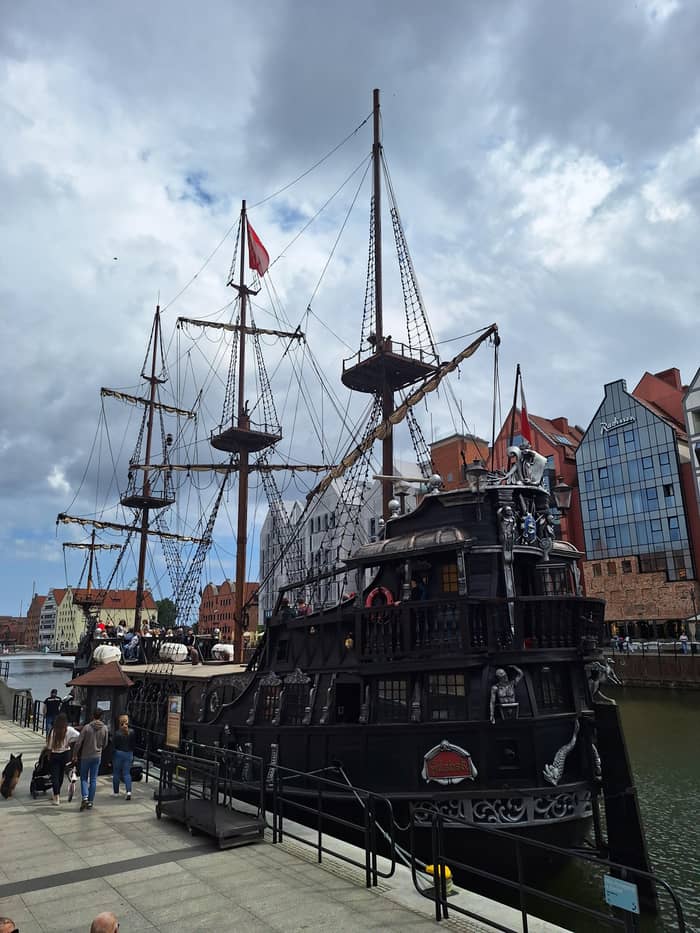
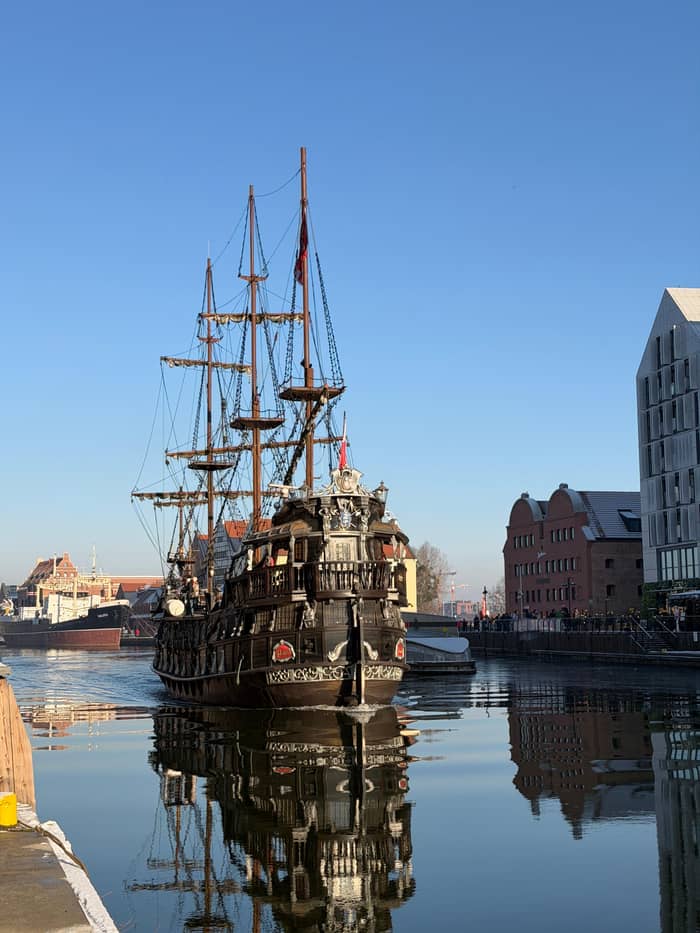
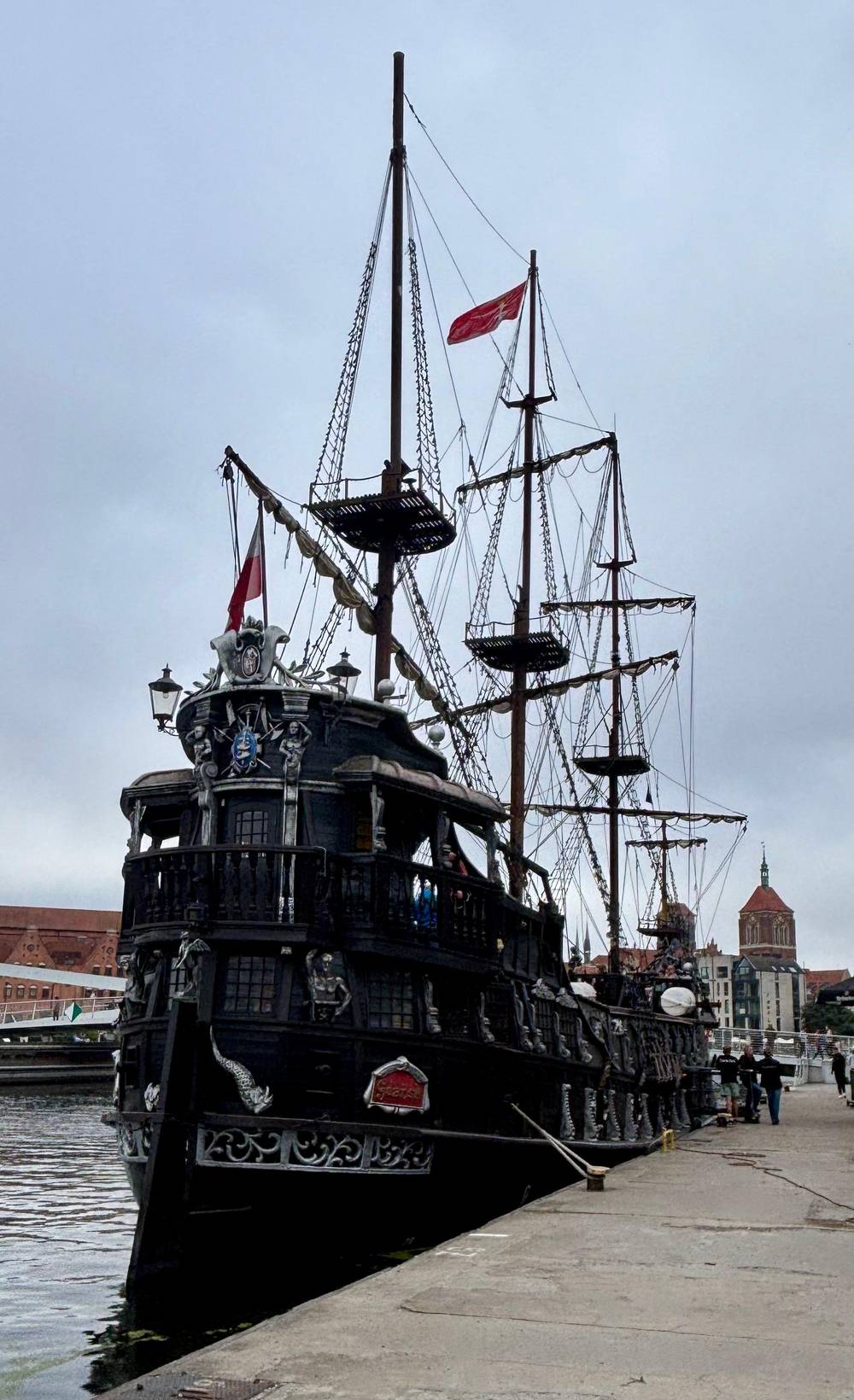
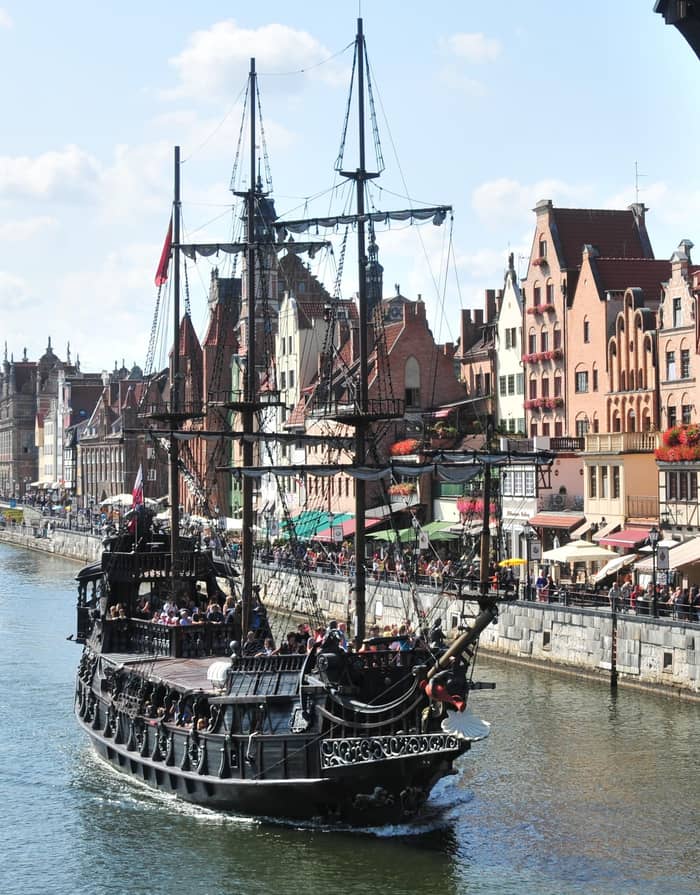
Then let the place speak. A galleon round trip passes the peninsula and the monument in 80 minutes without landing, which works well as a first look. A guided walk on the site takes in the barracks ruins, the guardhouses and the cemetery over 1.5 - 2.5 hours. However you come, you will see the concrete that both films tried to bring to life.

FAQ

Straight answers to common questions.

What is the best battle of Westerplatte film?
Westerplatte, 1967.

The Gdynia festival calls it one of the best Polish war films; it won the Silver Prize in Moscow in 1967.15,2

Who directed the 1967 film?
Stanisław Różewicz.

The national film archive records Stanisław Różewicz as director, 1967, Poland.1

Who played Major Sucharski?
Zygmunt Hübner.

Zygmunt Hübner played Major Henryk Sucharski in the 1967 film.14

What is Tajemnica Westerplatte?
A 2013 feature film.

A feature film of 2013 by Paweł Chochlew, screened by the IPN in 2014.3

Was the 1967 film shot at Westerplatte?
Partly, yes.

Some gouges on Guardhouse No. 1 were made for the filming, says the Gdańsk tourist guide.4

Was there a surrender plan after the air raid?
Sources disagree.

The city timeline says yes; historian Andrzej Drzycimski finds no basis for it.28,29

Are there documentary sources online?
Yes.

The museum publishes video profiles of identified defenders and 3D models of the depot.11,48

Sources

  1. Filmoteka Narodowa - Instytut Audiowizualny (FINA) · Westerplatte, still 1-F-2418-3 ↩
  2. Polish Film Festival in Gdynia · Westerplatte ↩
  3. Institute of National Remembrance, Białystok branch · Projekcja filmu Tajemnice Westerplatte (2013) ↩
  4. Gdańsk Tourist Organisation (gdansktur.pl) · Westerplatte (visitor guide, PDF) ↩
  5. City of Gdańsk (gdansk.pl) · 7 września 1939 - kapitulacja Westerplatte ↩
  6. Polish Film Festival in Gdynia · Westerplatte ↩
  7. National Institute of Cultural Heritage (NID) · 87. rocznica wybuchu II wojny światowej. Westerplatte jako symbol pamięci i niezłomności ↩
  8. City of Gdańsk (gdansk.pl) · Westerplatte we wrześniu 1939 roku ↩
  9. National Institute of Cultural Heritage (NID) · The battlefield of Westerplatte (zabytek.pl) ↩
  10. Gdańsk Tourist Organisation (gdansktur.pl) · Westerplatte (visitor guide, PDF) ↩
  11. Museum of the Second World War in Gdańsk · Poznaj zidentyfikowanych poległych Obrońców ↩
  12. Museum of the Second World War in Gdańsk · Fallen defenders identified ↩
  13. Filmoteka Narodowa - Instytut Audiowizualny (FINA) · Westerplatte, still 1-F-2418-3 ↩
  14. Filmoteka Narodowa - Instytut Audiowizualny (FINA) · Westerplatte, still 1-F-2418-3 ↩
  15. Polish Film Festival in Gdynia · Westerplatte ↩
  16. Polish Film Festival in Gdynia · Westerplatte ↩
  17. Polish Film Festival in Gdynia · Westerplatte ↩
  18. Polish Film Festival in Gdynia · Westerplatte ↩
  19. Polish Film Festival in Gdynia · Westerplatte ↩
  20. Museum of Gdańsk · Wartownia nr 1 na Westerplatte ↩
  21. City of Gdańsk (gdansk.pl) · Westerplatte we wrześniu 1939 roku ↩
  22. National Institute of Cultural Heritage (NID) · 87. rocznica wybuchu II wojny światowej. Westerplatte jako symbol pamięci i niezłomności ↩
  23. Museum of Gdańsk · Wartownia nr 1 na Westerplatte ↩
  24. Museum of Gdańsk · Wartownia nr 1 na Westerplatte ↩
  25. National Institute of Cultural Heritage (NID) · The battlefield of Westerplatte (zabytek.pl) ↩
  26. National Institute of Cultural Heritage (NID) · 87. rocznica wybuchu II wojny światowej. Westerplatte jako symbol pamięci i niezłomności ↩
  27. Museum of Gdańsk · Wartownia nr 1 na Westerplatte ↩
  28. City of Gdańsk (gdansk.pl) · Kopiec - Pomnik Obrońców Wybrzeża ↩
  29. City of Gdańsk (gdansk.pl) · 7 września 1939 - kapitulacja Westerplatte ↩
  30. City of Gdańsk (gdansk.pl) · Westerplatte we wrześniu 1939 roku ↩
  31. Museum of Gdańsk · Wartownia nr 1 na Westerplatte ↩
  32. Museum of Gdańsk · Wartownia nr 1 na Westerplatte ↩
  33. Gdańsk Tourist Organisation (gdansktur.pl) · Westerplatte (visitor guide, PDF) ↩
  34. Museum of the Second World War in Gdańsk · Opening Hours (Westerplatte) ↩
  35. Museum of the Second World War in Gdańsk · Regulamin Muzeum Westerplatte ↩
  36. City of Gdańsk (gdansk.pl) · 7 września 1939 - kapitulacja Westerplatte ↩
  37. Integrated Education Platform (Ministry of National Education) · Wybuch II wojny światowej. Wojna obronna - początek walk ↩
  38. City of Gdańsk (gdansk.pl) · 7 września 1939 - kapitulacja Westerplatte ↩
  39. Museum of the Second World War in Gdańsk · Polish Army Soldiers' Cemetery at Westerplatte ↩
  40. Museum of the Second World War in Gdańsk · Polish Army Soldiers' Cemetery at Westerplatte ↩
  41. City of Gdańsk (gdansk.pl) · 7 września 1939 - kapitulacja Westerplatte ↩
  42. City of Gdańsk (gdansk.pl) · 7 września 1939 - kapitulacja Westerplatte ↩
  43. City of Gdańsk (gdansk.pl) · 7 września 1939 - kapitulacja Westerplatte ↩
  44. City of Gdańsk (gdansk.pl) · 7 września 1939 - kapitulacja Westerplatte ↩
  45. City of Gdańsk (gdansk.pl) · 7 września 1939 - kapitulacja Westerplatte ↩
  46. City of Gdańsk (gdansk.pl) · Westerplatte we wrześniu 1939 roku ↩
  47. Museum of the Second World War in Gdańsk · Fallen defenders identified ↩
  48. Museum of the Second World War in Gdańsk · Digital Westerplatte ↩
  49. Museum of the Second World War in Gdańsk · Power Plant ↩
  50. Museum of the Second World War in Gdańsk · 87. rocznica wybuchu II wojny światowej - zapraszamy na obchody w Gdańsku ↩
  51. Museum of the Second World War in Gdańsk · 87. rocznica wybuchu II wojny światowej - zapraszamy na obchody w Gdańsku ↩
  52. Museum of the Second World War in Gdańsk · 87. rocznica wybuchu II wojny światowej - zapraszamy na obchody w Gdańsku ↩
  53. Museum of the Second World War in Gdańsk · 87. rocznica wybuchu II wojny światowej - zapraszamy na obchody w Gdańsku ↩
  54. National Institute of Cultural Heritage (NID) · The battlefield of Westerplatte (zabytek.pl) ↩
  55. National Institute of Cultural Heritage (NID) · The battlefield of Westerplatte (zabytek.pl) ↩
  56. City of Gdańsk (gdansk.pl) · Kopiec - Pomnik Obrońców Wybrzeża ↩

Before you leave

Hold a sailing, pay later.

Reserve the galleon trip now and pay nothing yet; cancelling stays free until 24 hours before you sail.

View availability