Pick out your stop

Galleon cruise to Westerplatte: the ships and the route

Galleon round trip to Westerplatte

★ 4.3 · 1,471 user reviews

from €23 upFind a date

The quick version

The galleon cruise to Westerplatte runs on replica 17th-century ships through the working port, past Wisloujscie Fortress and around the peninsula, then back to the Old Town.

Galleon essentials

  • The Lew and the Czarna Perla1
  • Via shipyards, docks and fortress2
  • Fortress tower built in 148261

Browse 37 stops

Westerplatte, the port and the city, pin by pin

Select a route, then tap a marker or stop to see its note and open Google Maps.
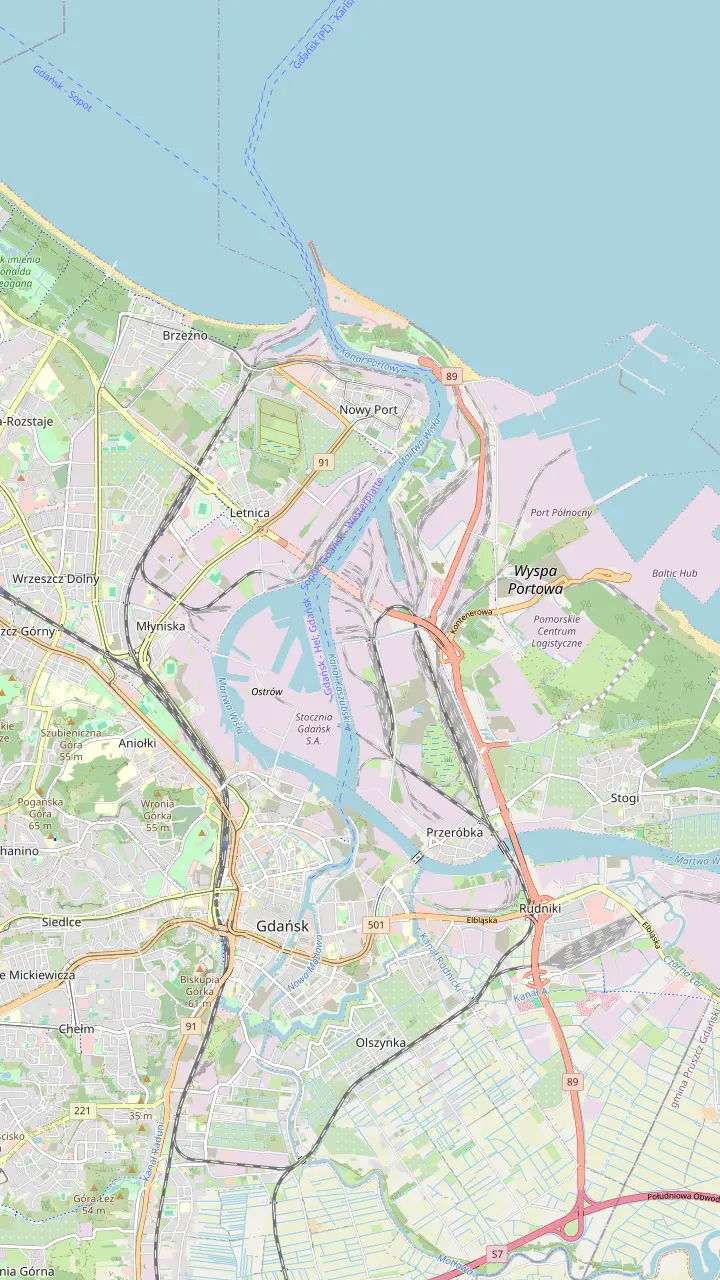
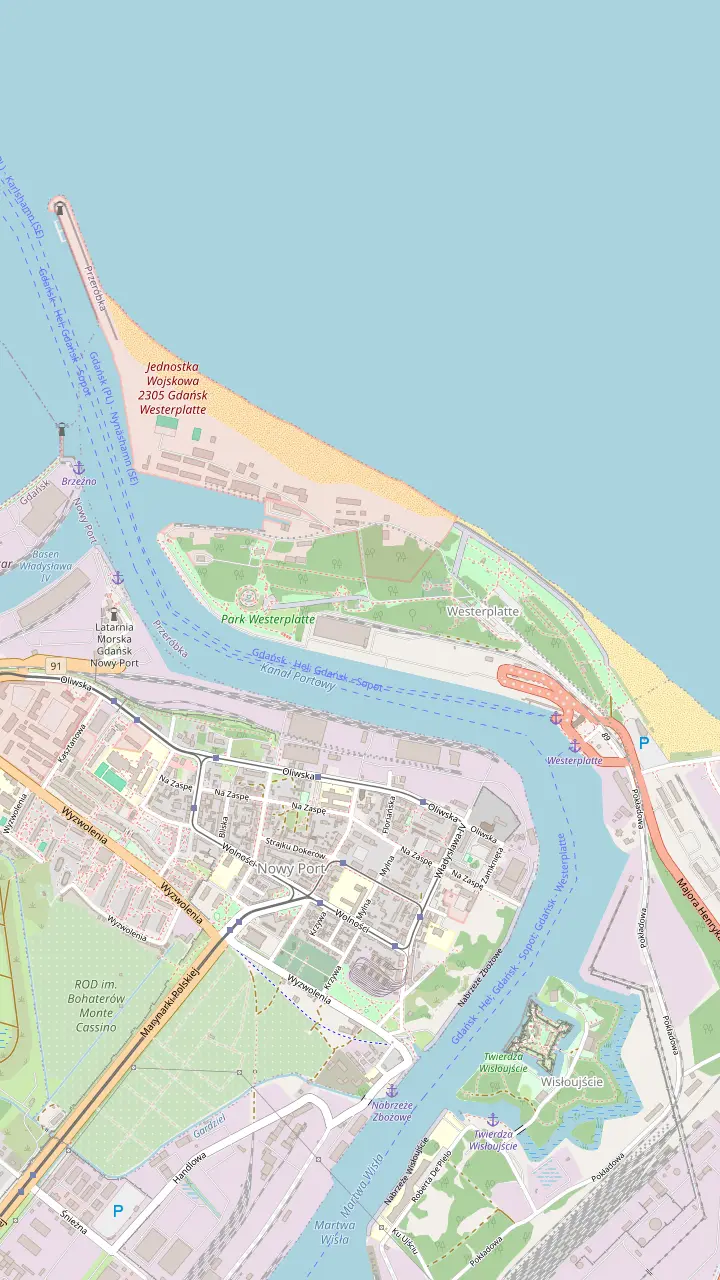
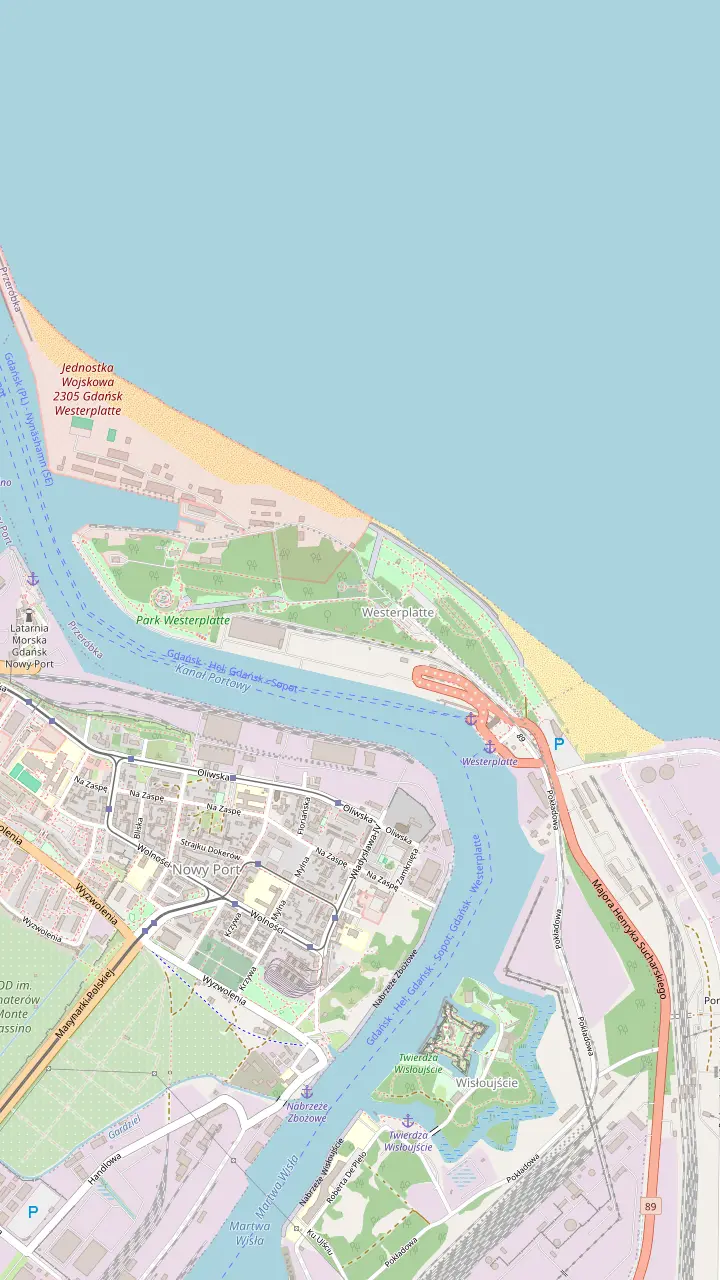
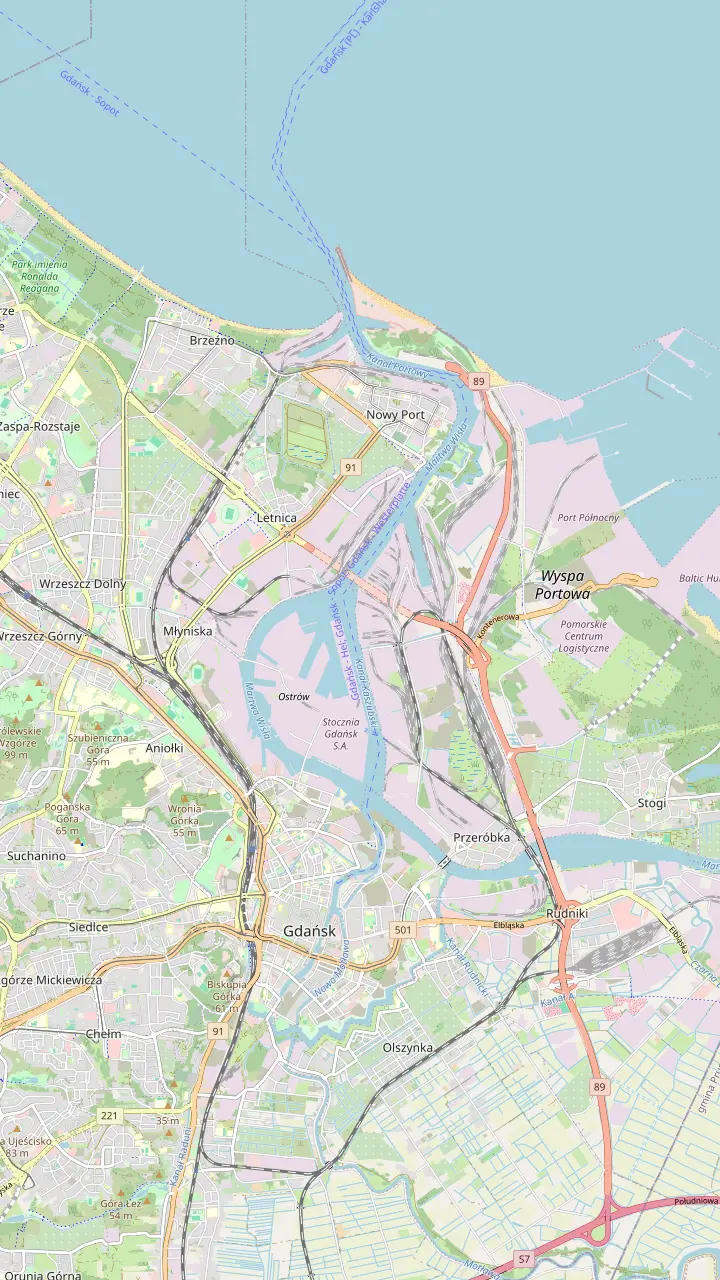
Map of the waterway from the Green Gate quay and the Crane on the Motława past the shipyard, Wisłoujście Fortress and the Nowy Port lighthouse to the Westerplatte landing and the monument
  1. Boats of Żegluga Gdańska to Westerplatte leave from the quay by the Green Gate and the Green Bridge.

    Google Maps
  2. The Motława quays where the galleon-style ships Lew and Czarna Perła tie up.

    Google Maps
  3. The mid-15th-century city gate and port crane on the Motława.

    Google Maps
  4. The island of old granaries across the Motława from the Long Embankment quays.

    Google Maps
  5. The galleons pass the Gdańsk Shipyard and the Renovation Shipyard on the way out.

    Google Maps
  6. The oldest coastal fortress of the Polish seacoast, once also a lighthouse and a prison.

    Google Maps
  7. Across the canal from Westerplatte, near where the Schleswig-Holstein moored 150 m from the peninsula.

    Google Maps
  8. Landing for the boats that call at Westerplatte; the galleon round trips do not stop here.

    Google Maps
  9. Seen from the water as the galleon loops the peninsula; 25 m of granite on its mound.

    Google Maps
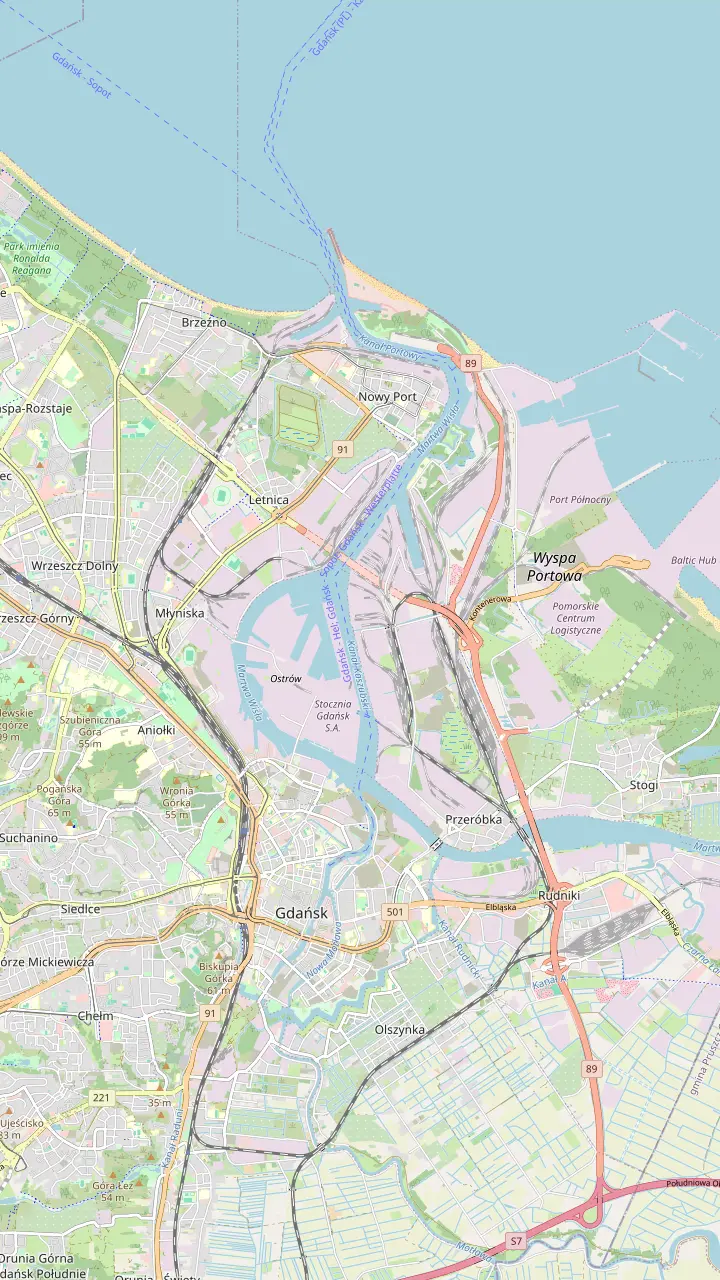
Base map © OpenStreetMap contributors

A galleon cruise to Westerplatte follows the working port out to the harbour mouth. Here are the ships, what life on deck is like, and the shipyard, fortress and monument you pass.

Editorial team, westerplattecruise.click · Updated November 9, 2026 · 7 min reading time

In brief

  • The shipsThe Lew and the Czarna Perla, styled as 17th-century galleons.1
  • The routePort, shipyard and dry docks, Wisloujscie Fortress, around the peninsula.
  • LengthA round trip of 80 minutes, with no landing.
  • On boardA bar, food for sale, live commentary in 3 languages.
  • AccessThe listing is marked wheelchair accessible.

The ships: replicas of a 17th-century galleon

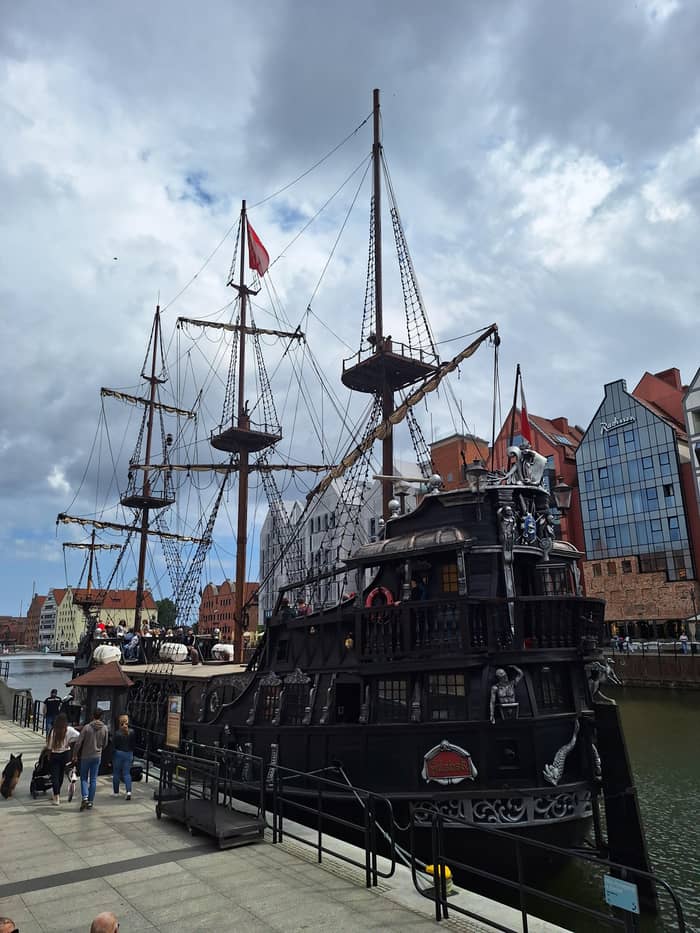
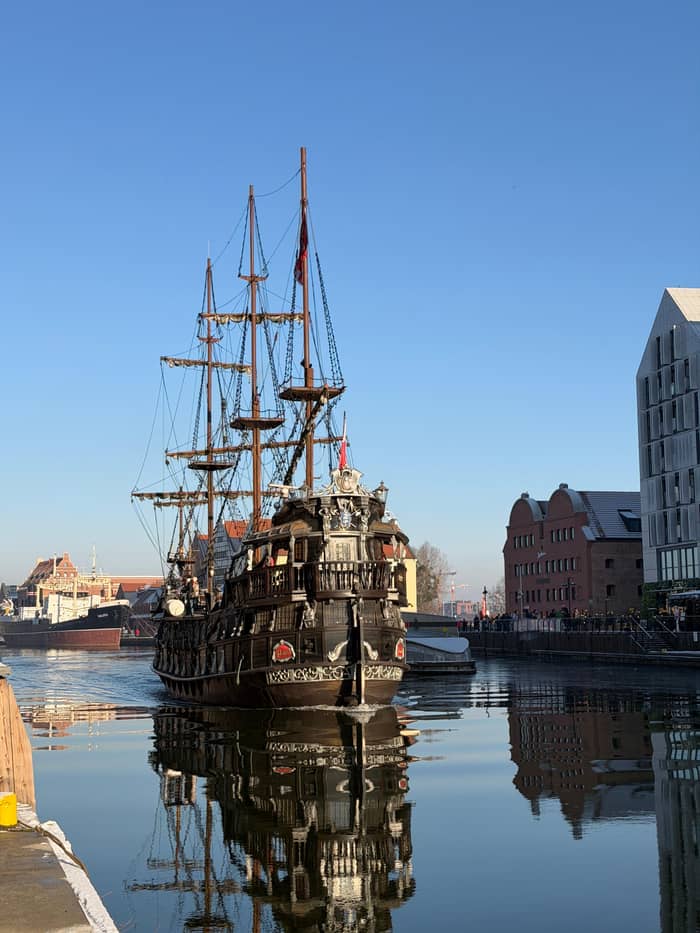
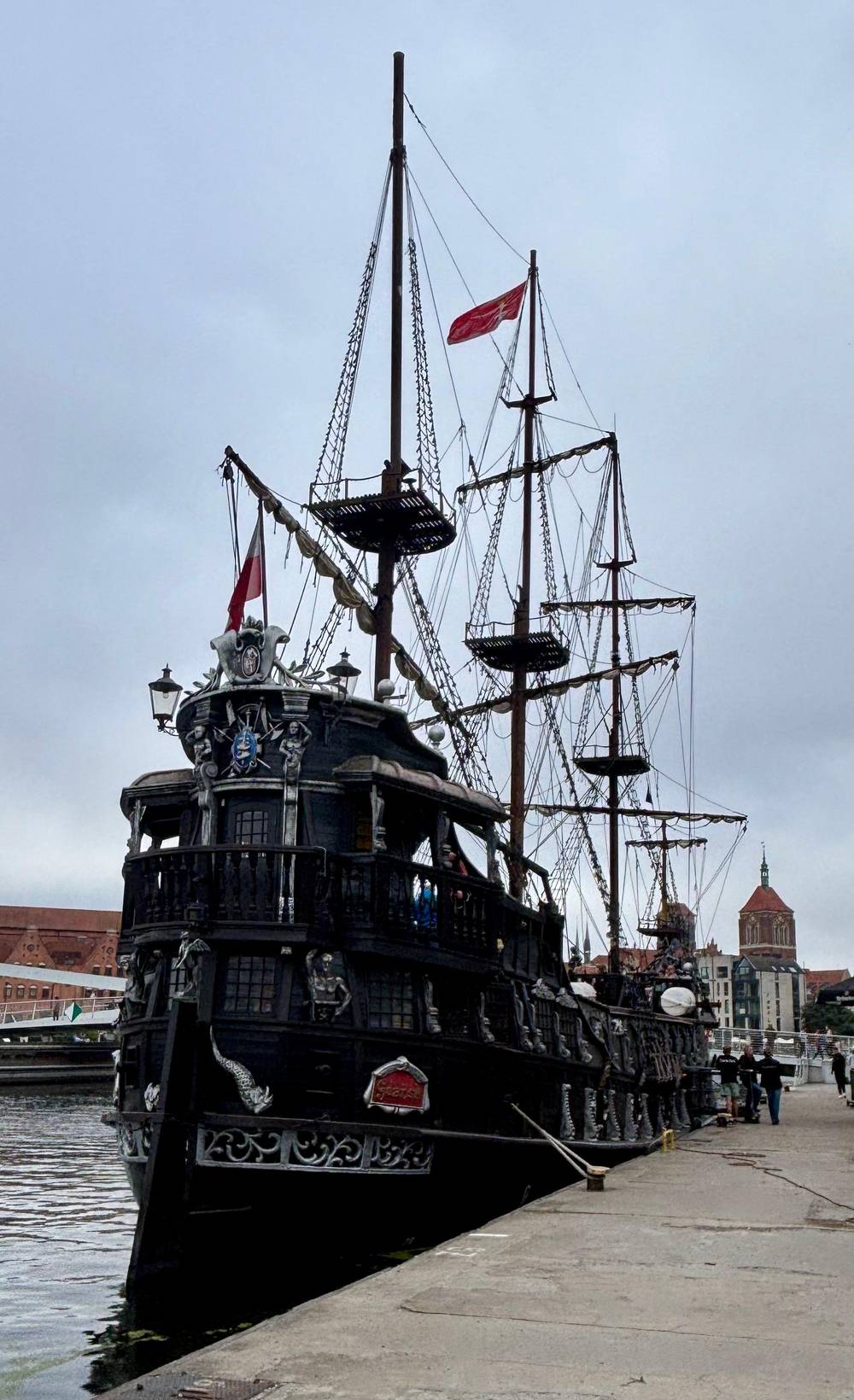
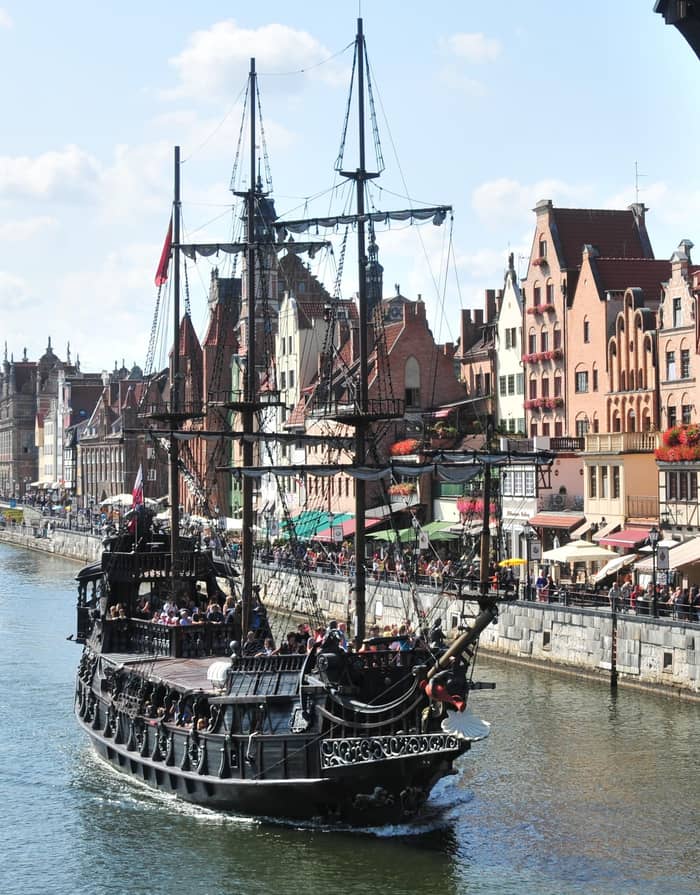
Walk along the Motlawa in the Old Town and you will see them moored among the modern boats: high-sterned ships with carved rails and rigging. Visit Gdansk names them as the Lew, meaning lion, and the Czarna Perla, the black pearl, both styled to look like 17th-century galleons.1 Both sail under the Polish flag.2

They are passenger ships dressed in period costume rather than sailing replicas built to fight or trade. The masts and yards are for show; the ships run on engines and keep to a timetable. That distinction is worth knowing before you go, as the appeal lies in the setting and the view, not in watching sails being set.

The galleon cruise to Westerplatte booked through these pages is one of these round trips, lasting 80 minutes and departing from the Old Town. Which ship takes your sailing is not stated in the listing, so do not plan around a particular name or colour; both offer the same route and the same kind of deck.

Seen from the deck

What you pass, and how to visit it on land

SightWho runs itOn landEntry
Wisloujscie FortressMuseum of GdanskOpen to visitorsPLN 37 regular
Guardhouse No. 1Museum of GdanskClosed in winterPLN 8 normal
Power station exhibitionSecond World War museumTuesday to SundayFree on Tuesdays
Westerplatte groundsSecond World War museumOpen-air siteWalk in

Prices and seasons as published by the Museum of Gdansk and the war museum.5,6,7,8,9,10

Life on deck: commentary, the bar and access

The commentary is live, in English, Polish and German, and it runs as the ship passes the port and the yards. On a busy sailing it helps to sit or stand near the speaker; the open deck is breezy and the engine is not silent. If you care most about the commentary, board early and take a place close to the guide.

There is a bar on board, and the organisers offer live music, snacks and drinks, as Visit Gdansk describes it.4 Anything from the bar is paid for on the spot; your booking buys the sailing and the commentary alone. Whether music suits the approach to a war memorial is your own judgement; you can simply step to the rail when the monument comes into view and let the noise fade.

The listing is marked wheelchair accessible. Boarding is from the quay over a gangway, and the steps between decks on a ship of this kind can be steep, so for a passenger in a wheelchair or anyone unsteady on stairs, tell the crew at the voucher swap and ask where the easiest place to sit is. The swap happens at the ship 30 minutes before departure.

Along the way

The galleon route in order

  1. Departure

    The Old Town quay

    Board a ship styled as a 17th-century galleon.

  2. First stretch

    Port landmarks

    Industrial areas, the shipyard and the dry docks.

  3. Midway

    Wisloujscie Fortress

    The oldest coastal fortress of the Polish seacoast.3

  4. The far end

    Around Westerplatte

    The peninsula and its monument, seen from the water.

  5. Return

    Back to Gdansk

    The round trip lasts 80 minutes in all.

Leaving the Old Town waterfront

The ships moor on the Motlawa, the river that runs past the Old Town's waterfront of gabled houses, the medieval Crane and the granaries opposite. Looking back from the stern as you pull away gives one of the best views of that skyline, worth having a camera ready for before the commentary begins. On a clear morning the brick and the painted facades glow; in the evening they are lit from behind.

Downstream, the old town gives way quickly to working water. The listing names the landmarks of the port and its industrial areas, including the shipyard and the dry docks, as the first part of the trip. Visit Gdansk lists the Gdansk Shipyard, the Renovation Shipyard, the docks and the port as the stretch the galleons pass on their way to Westerplatte.2

This stretch can be unexpectedly absorbing. Cranes, hulls in dry dock and ships loading at the quays are not a postcard view, but they are the reason Gdansk exists, and the commentary links them to the history of the city. Treat it as a tour of a working port rather than a scenic cruise, and the hour passes quickly.

On board

Make the most of the deck

Small choices that change how the trip feels.

  • If I want to hear the commentary clearly

    Stand near the guide

    The commentary is live, in English, Polish and German.

  • If I want the best photographs

    Move with the views

    Stern for the Old Town, the rail for the yards and the fortress, forward at the peninsula.

  • If I want a quiet moment at the monument

    Go forward on the turn

    The ship rounds the peninsula and its monument before heading back.

  • If I am travelling with a wheelchair user

    Tell the crew at the swap

    The listing is marked wheelchair accessible; the swap is 30 minutes before sailing.

  • If I want to see more of the fortress

    Visit it on land later

    The Museum of Gdansk runs it; the regular ticket costs PLN 37.5

From the rail

Sights to watch for

Working port

The shipyard

Cranes and dry docks

  • WhereFirst stretch
  • Look forHulls in dock
  • LightBest on the way out
Book the galleon trip

Old defences

Wisloujscie

Fortress at the river mouth

  • Oldest partCentral tower
  • Run byMuseum of Gdansk
  • On landOpen to visitors
Book the galleon trip

Place of memory

Westerplatte

Peninsula and monument

  • SeenFrom the water
  • LandingNot on this trip
  • VisitBy boat or bus
Book the galleon trip

Wisloujscie Fortress and the harbour mouth

Before the open water, the ship passes Wisloujscie Fortress, which the listing names as one of the views of the trip. The Museum of Gdansk calls it the oldest coastal fortress of the Polish seacoast, built to protect ships on their way into the port.3 The tower at its centre, erected in 1482, is the oldest part of the complex.61

From the deck you see the ring of earthworks and the round tower rising above them. If it catches your interest, you can tour the fortress on land with the Museum of Gdansk, the same institution that looks after Guardhouse No. 1 at Westerplatte.7 Its regular ticket costs PLN 37 and the reduced ticket PLN 26.5 Pairing it with a later visit to Westerplatte by bus makes a full, unhurried day of military history.

Beyond the fortress the channel widens towards the harbour mouth, with the Nowy Port side on one bank and Westerplatte on the other. Here the city falls behind, the wind usually picks up, and passengers move to the rail. It is a good moment to put on the extra layer you brought. Gulls trail the ships here, and in good visibility the Gulf of Gdansk opens up ahead.

Rounding Westerplatte from the water

The listing describes the ship navigating around the Westerplatte peninsula and its monument to the outbreak of the Second World War before turning back to Gdansk. Visit Gdansk treats the assault here on 1 September 1939 as the war's opening act.62 From the water the monument stands out above the trees on its mound.

The ship does not land: this is your view of the site, and it rewards attention. Look for the monument, the shoreline where the depot faced the harbour channel, and the trees that now cover much of the ground where the garrison held out. The commentary sets the scene; the quiet of the place comes through even from the deck.

It is a moment to be respectful. The peninsula holds graves as well as ruins, and the cemetery for the Polish soldiers was dedicated there in 2022.63 Lower your voice, keep the music at a distance if you can, and if the site moves you, consider coming back on foot. The page on getting there explains how.

Video

Gdansk to Westerplatte on a pirate ship

Tubby Tours on YouTube · The video stays unloaded until you press play.

Both ships sail under the Polish flag and offer cruises to Westerplatte via the Gdansk Shipyard, the Renovation Shipyard, the docks, port and Wisloujscie Fortress, and also around Gdansk Bay.
Visit Gdansk, Gdansk Tourist Organisation2

Ready to board

Galleon day checklist

Before boarding3

  • QR voucher, on screen or on paper
  • At the ship half an hour before sailing
  • Tell the crew about any mobility needs

On deck3

  • A windproof layer for the harbour mouth
  • Sunglasses for glare off the water
  • A card or cash for the bar

At the monument2

  • A quiet voice as the ship rounds the site
  • Camera ready for the turn at the far end

Gdansk boat trip to Westerplatte: which side, which seat

On a Gdansk boat trip to Westerplatte, the views alternate between the banks, and the ship turns at the far end, so no single side is best all the way. The simplest plan is to start near the stern for the Old Town, move to the rail for the shipyard and fortress, and find a forward spot as the ship approaches the peninsula.

For photographs, a short lens is enough for the cranes and the fortress; the monument is further away and a phone's zoom will flatten it. Bright midday light is harsh on the water, and an earlier or later sailing gives softer colour. If you want a calm deck, avoid the busiest summer afternoons. Keep the phone strap on near the rail: a camera dropped over the side here is gone for good.

In cold or wet weather, sit where there is shelter and step out only for the parts you care about. The listing does not promise a heated cabin or reserved seats, so arrive early for the voucher swap and choose your place as you board. Dress as if for a walk by the sea, even on a sunny day in town. A hat that stays put in a gust, and gloves outside high summer, earn their place in the bag.

A pirate ship cruise to Westerplatte, with children

Children often know the galleons as the pirate ships, and a pirate ship cruise to Westerplatte can be a family's first contact with the place. The carved stern, the rigging and the music make the start of the trip feel like an adventure, and it can be a gentle way to introduce a serious subject. Let the children enjoy the ship first; the history can wait for the turn at the far end.

Plan for the change in mood at the far end. Visit Gdansk dates the outbreak of the war to the attack on this shore on 1 September 1939.62 The turn around the peninsula is a natural moment to explain, simply and honestly, what happened there and why people still come to remember it. Older children may want to visit on foot afterwards; younger ones may be content with the view.

Keep small children close on deck: rails on period-style ships are decorative as well as protective, and the deck can be slippery after rain. A snack from home helps, as the bar on board sells food and drink at its own prices. With that in mind, the trip suits most ages, and the photographs at the quay before boarding are a favourite.

FAQ

Straight answers to common questions.

Which ships sail the galleon cruise to Westerplatte?
The Lew and the Czarna Perla.

Visit Gdansk names both as ships styled after 17th-century galleons, sailing under the Polish flag.1,2

What does the galleon pass on the way?
The port, the shipyard and the fortress.

The listing names port landmarks, the shipyard and dry docks, Wisloujscie Fortress and the peninsula with its monument.

Is there food and drink on the galleon?
Yes, for sale.

Food and drinks can be bought on board; they are not included in the fare.

Is the galleon wheelchair accessible?
The listing says yes.

It is marked wheelchair accessible; tell the crew at the voucher swap, 30 minutes before departure.

What languages is the commentary in?
English, Polish and German.

A live guide gives the commentary in those 3 languages during the trip.

Can I visit Wisloujscie Fortress afterwards?
Yes, on land.

The Museum of Gdansk runs it; the regular ticket is PLN 37 and the reduced PLN 26.5,7

Does the galleon stop at the monument?
No.

The trip rounds the peninsula and returns to Gdansk without landing.

Sources

  1. Visit Gdansk, Gdansk Tourist Organisation · Activities on the water ↩
  2. Visit Gdansk, Gdansk Tourist Organisation · Activities on the water ↩
  3. Museum of Gdansk (muzeumgdansk.pl) · Museum of Gdansk branches: hours and prices ↩
  4. Visit Gdansk, Gdansk Tourist Organisation · Activities on the water ↩
  5. Museum of Gdansk (muzeumgdansk.pl) · Museum of Gdansk branches: hours and prices ↩
  6. Museum of Gdansk (muzeumgdansk.pl) · Museum of Gdansk branches: hours and prices ↩
  7. Museum of the Second World War in Gdansk (muzeum1939.pl) · Westerplatte's Visitor Centre: a new landmark ↩
  8. Museum of the Second World War in Gdansk (muzeum1939.pl) · Opening hours of the Westerplatte Museum ↩
  9. Museum of the Second World War in Gdansk (muzeum1939.pl) · Regulamin Muzeum Westerplatte (visitor rules, Polish) ↩
  10. Museum of the Second World War in Gdansk (muzeum1939.pl) · About the Westerplatte Museum ↩
  11. Museum of Gdańsk · Wartownia nr 1 na Westerplatte
  12. Museum of Gdańsk · Wartownia nr 1 na Westerplatte
  13. City of Gdańsk (gdansk.pl) · Kopiec - Pomnik Obrońców Wybrzeża
  14. National Institute of Cultural Heritage (NID) · 87. rocznica wybuchu II wojny światowej. Westerplatte jako symbol pamięci i niezłomności
  15. City of Gdańsk (gdansk.pl) · Kopiec - Pomnik Obrońców Wybrzeża
  16. Museum of the Second World War in Gdańsk · Ważne odkrycie na Westerplatte
  17. City of Gdańsk (gdansk.pl) · Kopiec - Pomnik Obrońców Wybrzeża
  18. Museum of the Second World War in Gdańsk · Plutonowy Adolf Petzelt (1906-1939)
  19. Museum of the Second World War in Gdańsk · Odnaleziono element polskiego moździerza
  20. Museum of the Second World War in Gdańsk · Mission of the Westerplatte Museum
  21. Museum of the Second World War in Gdańsk · Power Plant
  22. Museum of the Second World War in Gdańsk · Power Plant
  23. City of Gdańsk (gdansk.pl) · 7 września 1939 - kapitulacja Westerplatte
  24. City of Gdańsk (gdansk.pl) · 7 września 1939 - kapitulacja Westerplatte
  25. National Institute of Cultural Heritage (NID) · The battlefield of Westerplatte (zabytek.pl)
  26. National Institute of Cultural Heritage (NID) · 87. rocznica wybuchu II wojny światowej. Westerplatte jako symbol pamięci i niezłomności
  27. Museum of Gdańsk · Wartownia nr 1 na Westerplatte
  28. City of Gdańsk (gdansk.pl) · Kopiec - Pomnik Obrońców Wybrzeża
  29. City of Gdańsk (gdansk.pl) · Kopiec - Pomnik Obrońców Wybrzeża
  30. City of Gdańsk (gdansk.pl) · Kopiec - Pomnik Obrońców Wybrzeża
  31. Museum of the Second World War in Gdańsk · Polish Army Soldiers' Cemetery at Westerplatte
  32. Museum of the Second World War in Gdańsk · Polish Army Soldiers' Cemetery at Westerplatte
  33. Museum of the Second World War in Gdańsk · Polish Army Soldiers' Cemetery at Westerplatte
  34. Museum of the Second World War in Gdańsk · Visitor Centre
  35. Museum of the Second World War in Gdańsk · How to get here? (Westerplatte)
  36. Museum of the Second World War in Gdańsk · Opening Hours (Westerplatte)
  37. Museum of the Second World War in Gdańsk · Power Plant
  38. Museum of the Second World War in Gdańsk · Power Plant
  39. Museum of the Second World War in Gdańsk · Mission of the Westerplatte Museum
  40. City of Gdańsk (gdansk.pl) · Co tak naprawdę kupił w Gdańsku Mieczysław Jałowiecki?
  41. Museum of the Second World War in Gdańsk · Polish Army Soldiers' Cemetery at Westerplatte
  42. Museum of the Second World War in Gdańsk · Polish Army Soldiers' Cemetery at Westerplatte
  43. Polska Zbrojna (Military Publishing Institute, Ministry of National Defence) · Taki był początek Westerplatte
  44. Integrated Education Platform (Ministry of National Education) · Wybuch II wojny światowej. Wojna obronna - początek walk
  45. Integrated Education Platform (Ministry of National Education) · Wybuch II wojny światowej. Wojna obronna - początek walk
  46. City of Gdańsk (gdansk.pl) · Kopiec - Pomnik Obrońców Wybrzeża
  47. Museum of the Second World War in Gdańsk · About Westerplatte
  48. Museum of the Second World War in Gdańsk · Mission of the Westerplatte Museum
  49. Zegluga Gdanska (zegluga.pl) · Rejs Gdansk - Westerplatte (cruise page with 2026 fares)
  50. Gdańsk Tourist Organisation (visitgdansk.com) · Water activities
  51. National Maritime Museum in Gdańsk · Crane
  52. Museum of Gdańsk · Wisłoujście Fortress
  53. Museum of Gdańsk · Wisłoujście Fortress
  54. City of Gdańsk (gdansk.pl) · Westerplatte we wrześniu 1939 roku
  55. Gdańsk Tourist Organisation (visitgdansk.com) · Water activities
  56. Museum of the Second World War in Gdańsk · How to get here? (Westerplatte)
  57. Zegluga Gdanska (zegluga.pl) · Rejs Gdansk - Westerplatte (cruise page with 2026 fares)
  58. Museum of the Second World War in Gdańsk · 87. rocznica wybuchu II wojny światowej - zapraszamy na obchody w Gdańsku
  59. Museum of the Second World War in Gdańsk · How to get here? (Westerplatte)
  60. Museum of the Second World War in Gdańsk · How to get here? (Westerplatte)
  61. Museum of Gdansk (muzeumgdansk.pl) · Museum of Gdansk branches: hours and prices ↩
  62. Visit Gdansk, Gdansk Tourist Organisation · Places associated with the Second World War ↩
  63. Museum of the Second World War in Gdansk (muzeum1939.pl) · Mission of the Westerplatte Museum ↩

Before you leave

Hold a sailing, pay later.

Reserve the galleon trip now and pay nothing yet; cancelling stays free until 24 hours before you sail.

View availability