Pick out your stop

Heroes of Westerplatte: the men behind the defence

The quick version

The heroes of Westerplatte were the garrison of about 200 Polish soldiers and reservists under Major Henryk Sucharski and Captain Franciszek Dąbrowski who held the depot for 7 days in September 1939.

Remember

  • 15 of them were killed33
  • 7 of the fallen identified since 20195
  • Honorary Citizens of Gdańsk since 199820

Browse 37 stops

Westerplatte, the port and the city, pin by pin

Select a route, then tap a marker or stop to see its note and open Google Maps.
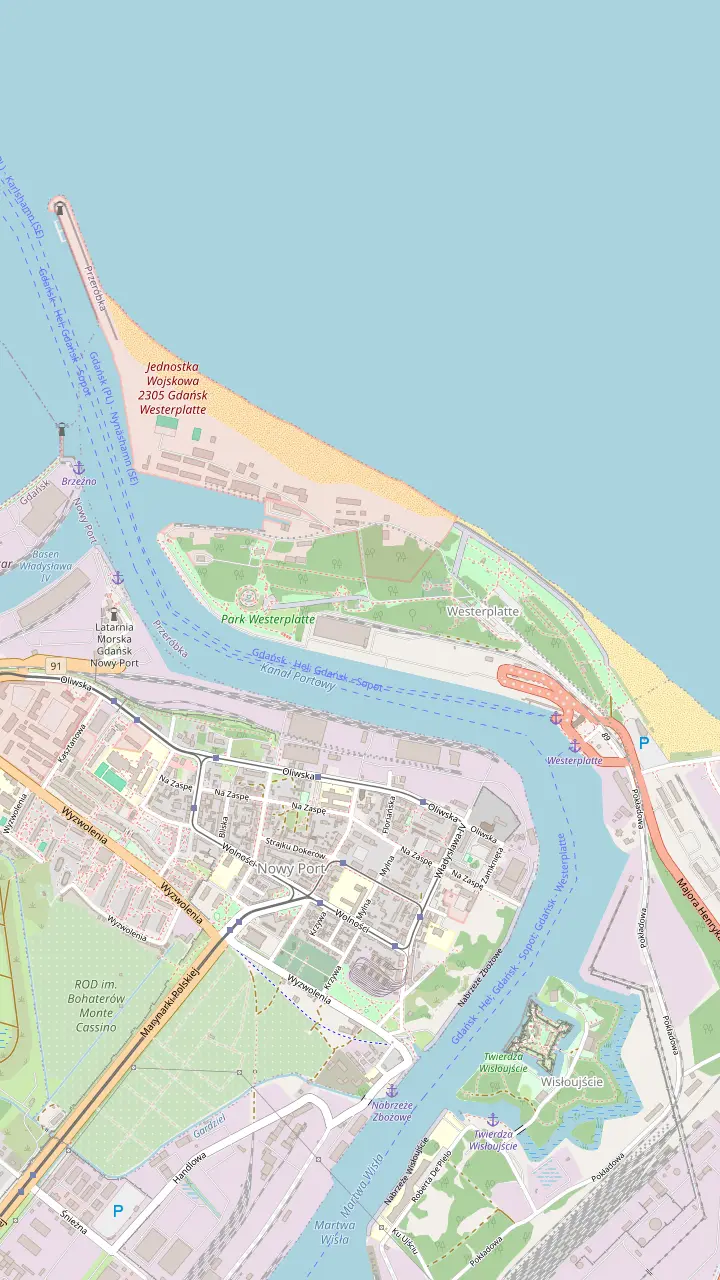
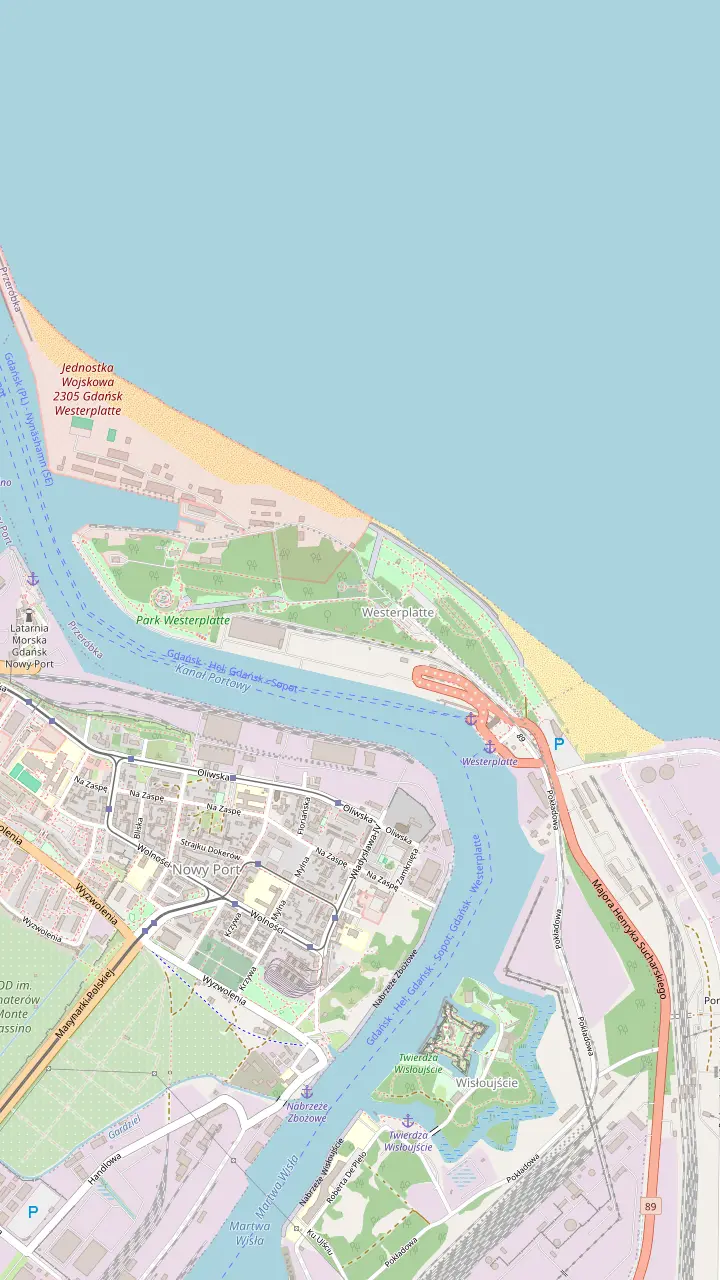
Map of the peninsula at Westerplatte with the guardhouses, the Fort outpost, the New Barracks ruins, the power station and the Nowy Port shore across the canal
  1. The guardhouse that kept the Germans off the base of the peninsula and the canal; Warrant Officer Jan Gryczman commanded about 15 men here.

    Google Maps
  2. Guardhouse III was built as combat cabins in the cellar of the NCO villa; its remains are marked by an information board.

    Google Maps
  3. The artillery command post of 1911 became the Fort outpost in 1939; in November human remains were found beside its shelter.

    Google Maps
  4. Destroyed in the air raid of 2 September 1939; its commander, Platoon Sergeant Adolf Petzelt, died inside.

    Google Maps
  5. Command post, dressing station, radio room and shelter in 1939; the ruin is kept as a reminder of the war's brutality.

    Google Maps
  6. Built from 25 May 1926 and outside the defence plan, it came through September 1939 almost intact.

    Google Maps
  7. From this side of the canal German reporters watched the fighting and radioed it live.

    Google Maps
  8. The depot's walls ran along the canal and the base of the peninsula; the railway gate is a reconstruction.

    Google Maps
  9. Remains of the depot's ammunition stores; 2 stores survive on land the army still uses.

    Google Maps
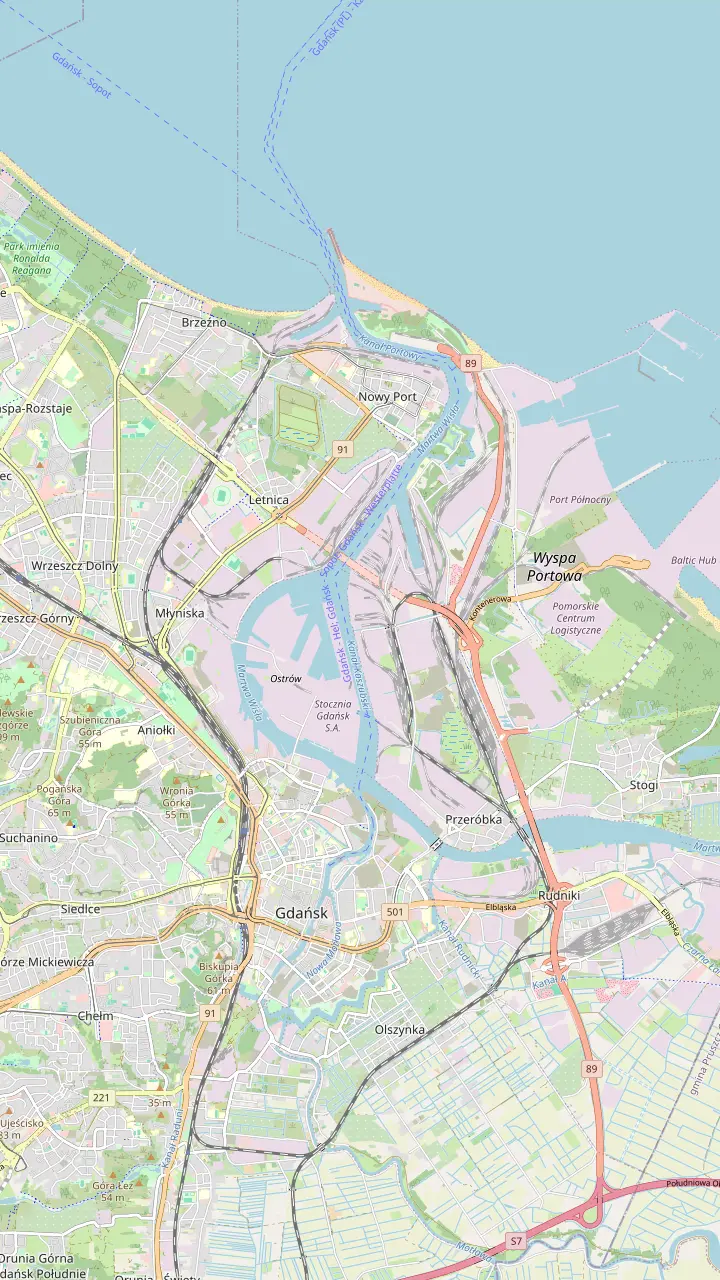
Base map © OpenStreetMap contributors

The heroes of Westerplatte were a guard company of young soldiers, reservists and civilian workers. Who they were, who led them, who died and how they are remembered.

Editorial team, westerplattecruise.click · Updated November 9, 2026 · 7 min reading time

In brief

  • GarrisonAbout 200 to 220 men when the war began, by most counts.1,2
  • CommandantMajor Henryk Sucharski, in command of the depot from 1938.3
  • DeputyCaptain Franciszek Dąbrowski, who led the guard company.3
  • The fallen15 soldiers, each now named on a stele at the cemetery.4
  • Found again9 sets of remains in 2019, 7 of them identified.5

Who the heroes of Westerplatte were

The heroes of Westerplatte were not a force sent out to die, but a rotating guard. The League of Nations allowed a guard of up to 88: 2 officers, 20 NCOs and 66 privates.6 The men served half-year shifts, and from 1926 onward 22 shifts passed through rooms that were never meant as permanent quarters.7,8 Off duty they had a sports field, a kayak harbour, a tennis court, a library and a chapel.9

The first soldiers were men of the 4th Infantry Division under Lieutenant Stefan Konieczny, landed by the minesweeper ORP Mewa on 18 January 1926.10 The final pre-war shift was drawn from the Kielce-based 2nd Legions Infantry Division, while more men arrived covertly from Gdynia on a tug.11 By the summer of 1939 reservists mobilised from the depot's civilian workers had joined them.12

The museum's researcher Wojciech Samól describes the 1939 guard unit as one of the best organised and most modern units of the Polish Army of its time.13 It was organised to fight in fortress conditions, in isolation.14 The museum has held lectures on the guard unit in the education room of the Visitor Centre at Sucharskiego 77, and the picture of these men keeps changing as research goes on.15

Named by the museum

Identified defenders and their posts

Name and rankAt the depot fromPostKilled
Plt Sgt Adolf Petzelt20 September 1938Commander, guardhouse No. 52 September
Legionnaire Józef Kita17 March 1939Commandant's orderly2 September
Cpl Jan Gębura17 March 1939Guardhouse No. 52 September
Cpl Bronisław Perucki13 August 1939Guardhouse No. 5In the guardhouse
Sr Rifleman Władysław Okrasa30 July 1939Supply and food2 September
Sr Legionnaire Zygmunt ZiębaSeptember 1938Guardhouse No. 1In the fighting

From the museum's profiles of the identified defenders and the Museum of Gdańsk.36,37,38,39,40,41,42

Major Henryk Sucharski, the commandant

In 1938 Major Henryk Sucharski took command of the depot.3 On the morning of 1 September 1939 it was he who reached naval command in Gdynia by telephone to report the bombardment.22,23 The education ministry's account names him as the leader of the defence on 1 and 2 September, and his deputy for the days that followed.24 On 7 September, with the wounded beyond help, he took the decision to capitulate.25

His role has been argued over for decades. The City of Gdańsk timeline says he decided to give up after the bombing of 2 September and was overruled by his officers.26 The historian Andrzej Drzycimski, in an interview on the city's news site, rejects this, saying neither Polish nor German sources mention it, nor the white flag said to have been raised then.27,28 He adds that a huge German air raid was set for 8 September, one that, in his words, little on the peninsula would have survived.29

After the war Sucharski did not come home. He died in Naples on 30 August 1946.17 His ashes were brought to Poland in 1971 and buried on Westerplatte.30 At the cemetery the largest of 16 crosses stood for him; he had been buried there on 1 September 1971.31 On 4 November 2022 he was laid to rest again, with military honours, in the new soldiers' cemetery.32

The search for the fallen

The fallen, found and still missing

  • Fallen in 193915
  • Found in 20199
  • Identified so far7
  • Buried unnamed2
  • Still sought3

Counts as the 2 Gdańsk museums give them.33,5,34,32,35

Captain Franciszek Dąbrowski, the deputy

Captain Franciszek Dąbrowski commanded the guard.3 The City of Gdańsk describes him as deputy commandant and, from 2 September, the commander of the defence.47 In that reading he refused the surrender the commandant had proposed after the bombing and carried the fight to the 7th day.26 Drzycimski's research disputes that a surrender was ever decided, which is why both men are still debated.27

Dąbrowski also shaped how the battle was remembered. The museum credits him, as a former Navy Cadet Corps officer, with starting the effort to commemorate the fallen.48 The first symbolic grave, a wooden cross with a low fence, was later replaced by a concrete crucifix that people named after him.49 In 1962 the communist authorities removed the Dąbrowski cross and put a Soviet-built T-34 tank up on the cemetery mound; 10 years after Sucharski's burial the cross came back.50,51

Dąbrowski, by then a naval commander, died in Kraków on 24 April 1962.19 Today the Dąbrowski Cross overlooks the soldiers' cemetery.4 When you stand at the new cemetery, both commanders are present side by side: the commandant buried there, the deputy remembered by the cross. Whatever you conclude about the argument between them, both stayed with their men to the end of the fight, and both went into captivity with the garrison.52

Plan your visit

How to learn about the defenders

Pick the way that fits your time and interest.

  • If I want to see their belongings

    Visit Guardhouse No. 1

    The only Polish post open to visitors, it holds mementoes of the men.43,44

  • If I want to pay my respects

    Go to the soldiers' cemetery

    All 15 who fell are named there, one stele each.4

  • If I want the whole war in Gdańsk

    Book a WWII tour from the city

    A private tour pairs Westerplatte with the Polish Post museum.

  • If I prefer to prepare at home

    Watch the museum's profiles

    The museum publishes video profiles of the identified men.45

  • If I want the newest findings

    Visit the archaeology exhibition

    Finds from the battlefield are shown in the old power plant.46

Go with a guide

Tours that tell the defenders' story

Private

WWII Gdańsk by car

Westerplatte and the Polish Post

  • Length3.5 hours
  • On Westerplatte1 hour
  • PickupIncluded
See the tour

Museum based

WWII Museum and city

Starts at the Museum

  • Length2 - 4 hours
  • MeetsPilecki monument
  • TicketsSkip the line
See the tour

On site

Battlefield on foot

Cemetery, Guardhouse No. 1, ruins

  • Length2 hours
  • MeetsDefenders' plaques
  • GroupPrivate
See the tour

The men who did not come back

15 Polish soldiers died at Westerplatte.33 Most of their names were known, but for decades their graves were not. After the surrender, Polish civilian prisoners were forced to gather the dead and bury them near the ruined guardhouse No. 5, marking the spot with 3 mounds; later every sign of the graves was removed.101 For years the bodies lay somewhere under the peninsula, and the remains of Corporal Andrzej Kowalczyk were found only in 1963, during work in the port.102

Several died in the bombing of 2 September at guardhouse No. 5. Its commander, Platoon Sergeant Adolf Petzelt, had been on Westerplatte since 20 September 1938.36 Legionnaire Józef Kita had arrived with the spring shift on 17 March 1939 and served as the commandant's orderly.37 Corporal Jan Gębura came with the same shift and also died on 2 September.38 Corporal Bronisław Perucki had arrived with the last reinforcement on 13 August 1939 and was killed inside the guardhouse.39

Senior Rifleman Władysław Okrasa, at the depot since 30 July 1939, kept the garrison fed; he was killed on 2 September.40 Senior Legionnaire Zygmunt Zięba joined the garrison in September 1938, sent from the 5th Legions Infantry Regiment in Vilnius.41 He was one of the 2 men of the Guardhouse No. 1 crew who were killed, with Jan Czywil.42 Senior Legionnaire Ignacy Zatorski was born on 25 July 1915 in Baranów, today Suchedniów.103

Price a guided visit

What a visit costs for your group

Pick a tour, then type in the size of your party.

Compare 3 side by side

What a visit costs for your group

Pick a tour, then type in the size of your party.

2 people
  1. WWII Museum and city2 - 4 hours · from €113 up

    ≈

    View
  2. Guided walk on site1.5 - 2.5 hours · per visitor from €43

    ≈

    View
  3. Galleon round trip80 minutes · per visitor from €21

    ≈

    View

These from-prices come from GetYourGuide and are converted using the ECB reference rate; the exact price shows at checkout.

After the battle

What became of the garrison

  1. Until 1945

    Prisoner-of-war camps

    The survivors stay in German camps.16

  2. 30 August 1946

    Sucharski dies

    The commandant dies in Naples, far from Poland.17

  3. March 1957

    First reunion

    The surviving defenders gather in Kielce.18

  4. 24 April 1962

    Dąbrowski dies

    The deputy commander dies in Kraków.19

  5. 1998

    Honorary citizens

    Gdańsk honours all the defenders.20

  6. 4 November 2022

    Burial with honours

    The new cemetery receives the found men.21

Found, named and buried with honour

In autumn 2019 the museum's archaeologists found the remains of 9 defenders.5 Working with the Pomeranian Medical University in Szczecin and the Institute of National Remembrance, the museum has identified 7 of them.34 The museum publishes short video profiles of the identified men, which are a quiet, human way to prepare for a visit.45

On 4 November 2022 the defenders were buried in the new Polish Army Soldiers' Cemetery, the first finished part of the museum project.21 Laid to rest with military honours were Major Sucharski, Platoon Sergeant Petzelt, Corporals Perucki and Gębura, Senior Rifleman Okrasa, Legionnaire Kita, Senior Legionnaires Zięba and Zatorski, and 2 soldiers not yet identified.32 The day began with a Mass at St Bridget's Church in Gdańsk.104

The search is not over. The museum is still looking for the remains of 3 fallen soldiers, among them Legionnaire Mieczysław Krzak.35 On 5 November its archaeologists found human bones near the Fort outpost with Polish military buttons and a Polish bayonet.105 The finds point to Krzak, who most likely died near the Fort on the night of 2 September 1939, but only genetic tests can confirm it.106

Video

The last stand of the Westerplatte garrison

The Front on YouTube · The video stays unloaded until you press play.

On a circular plan, individual name-bearing steles symbolizing all 15 fallen defenders were evenly distributed.
Museum of the Second World War in Gdańsk4

At the cemetery

Visiting the soldiers' graves with respect

Before you go3

  • Dress for a place of remembrance97
  • Visitor Centre open 9:00-16:00 daily74
  • Line 106 leaves from the WWII Museum in town92

At the graves4

  • Children stay beside an adult among the graves98
  • Leave bikes outside: no riding onto the cemetery99
  • No dogs except guide and assistance dogs100
  • Find the Dąbrowski Cross above the steles4

Captivity and the years after

The survivors went into German prisoner-of-war camps and stayed there until 1945.16 Not all of them lived to see it. Sergeant Kazimierz Rasiński, the radio operator, was murdered after the surrender for refusing to give up the codes.107 The depot's doctor, Major Mieczysław Słaby, died in Kraków on 15 March 1948, murdered by the communist security service.108

The veterans kept their bond. In March 1957 the first reunion of Westerplatte veterans met in Kielce, and that September they gathered on the peninsula itself.18 As early as 1946, comrades raised a cross and a plaque for the fallen on the site of guardhouse V.109 The last of the defenders, Major Ignacy Skowron, died in 2012.110

Their memory is official now. Since 1998 the defenders of Westerplatte have been Honorary Citizens of Gdańsk by decision of the city.20 During the battle itself Italians were the first to call them the Lions of Westerplatte.111 Mementoes of the depot and its men, among them Sucharski's uniform jacket, are kept in Guardhouse No. 1.112

Remembering them on a visit

The best way to meet these men is on foot. Start at Guardhouse No. 1, the only Polish post open to visitors, where their belongings are displayed.43,44 Then walk to the cemetery, with a named stele for every one of the 15 and white roses where remains came out of the ground.4,71 Ornamental grasses mark the bomb crater of 2 September 1939 at a corner of the vanished guardhouse.71

The cemetery is a war grave and the museum's rules treat it as one. Behave with gravity and respect, and dress for the place.113,97 Animals are not allowed on the cemetery, except guide and assistance dogs, and you may not ride a bike onto it.100,99 Children must be with an adult there and in the museum buildings.98

A guide helps if you want names and stories at each spot. A private WWII tour from Gdańsk spends 1 hour on Westerplatte and adds the Museum of the Polish Post and the Main City in 3.5 hours. Another, beginning outside the WWII Museum by the Pilecki monument, spends 2 - 4 hours on the war in Gdańsk. Whichever you choose, keep a quiet quarter of an hour for the graves, with the camera put away.

FAQ

Straight answers to common questions.

Who commanded the defence of Westerplatte?
Major Sucharski and Captain Dąbrowski.

Sucharski was commandant of the depot; Dąbrowski commanded the guard and, in the city's account, the defence from 2 September.3,47

How many defenders were there?
About 200 to 220.

Counts differ by source: 200 infantrymen in the heritage register entry written by NID, the national heritage institute, about 217 for the Museum of Gdańsk, about 220 in the same institute's anniversary article.1,12,2

How many of the defenders died?
15.

15 Polish soldiers were killed in the fighting; a stele at the cemetery carries each name.33,4

Where is Henryk Sucharski buried?
On Westerplatte.

He died in Naples in 1946; his ashes came to Westerplatte in 1971 and were reburied in the new cemetery in 2022.17,30,32

Did Sucharski want to surrender on 2 September?
Historians disagree.

The city's timeline says so; historian Andrzej Drzycimski calls it a rumour with no basis in the sources.26,27

Are any defenders still missing?
Yes, 3 are being sought.

The museum is searching for 3 fallen soldiers, among them Legionnaire Mieczysław Krzak.35

When did the last defender die?
In 2012.

Major Ignacy Skowron, the last of the defenders, died in 2012.110

Sources

  1. National Institute of Cultural Heritage (NID) · The battlefield of Westerplatte (zabytek.pl) ↩
  2. National Institute of Cultural Heritage (NID) · 87. rocznica wybuchu II wojny światowej. Westerplatte jako symbol pamięci i niezłomności ↩
  3. Museum of Gdańsk · Wartownia nr 1 na Westerplatte ↩
  4. Museum of the Second World War in Gdańsk · Polish Army Soldiers' Cemetery at Westerplatte ↩
  5. Museum of the Second World War in Gdańsk · Fallen defenders identified ↩
  6. Polska Zbrojna (Military Publishing Institute, Ministry of National Defence) · Tak rodziło się Westerplatte ↩
  7. Museum of Gdańsk · Wartownia nr 1 na Westerplatte ↩
  8. Museum of the Second World War in Gdańsk · #WesterplatteHistory - The so-called old barracks building ↩
  9. Polska Zbrojna (Military Publishing Institute, Ministry of National Defence) · Tak rodziło się Westerplatte ↩
  10. Polska Zbrojna (Military Publishing Institute, Ministry of National Defence) · Taki był początek Westerplatte ↩
  11. City of Gdańsk (gdansk.pl) · Kopiec - Pomnik Obrońców Wybrzeża ↩
  12. Museum of Gdańsk · Wartownia nr 1 na Westerplatte ↩
  13. Museum of the Second World War in Gdańsk · Spotkania z historią: Oddział Wartowniczy Wojskowej Składnicy Tranzytowej ↩
  14. Museum of the Second World War in Gdańsk · Spotkania z historią: Oddział Wartowniczy Wojskowej Składnicy Tranzytowej ↩
  15. Museum of the Second World War in Gdańsk · Spotkania z historią: Oddział Wartowniczy Wojskowej Składnicy Tranzytowej ↩
  16. Museum of Gdańsk · Wartownia nr 1 na Westerplatte ↩
  17. City of Gdańsk (gdansk.pl) · Kopiec - Pomnik Obrońców Wybrzeża ↩
  18. City of Gdańsk (gdansk.pl) · Kopiec - Pomnik Obrońców Wybrzeża ↩
  19. City of Gdańsk (gdansk.pl) · Kopiec - Pomnik Obrońców Wybrzeża ↩
  20. City of Gdańsk (gdansk.pl) · Westerplatte we wrześniu 1939 roku ↩
  21. Museum of the Second World War in Gdańsk · Polish Army Soldiers' Cemetery at Westerplatte ↩
  22. City of Gdańsk (gdansk.pl) · Westerplatte we wrześniu 1939 roku ↩
  23. Museum of Gdańsk · Wartownia nr 1 na Westerplatte ↩
  24. Integrated Education Platform (Ministry of National Education) · Wybuch II wojny światowej. Wojna obronna - początek walk ↩
  25. City of Gdańsk (gdansk.pl) · Kopiec - Pomnik Obrońców Wybrzeża ↩
  26. City of Gdańsk (gdansk.pl) · Kopiec - Pomnik Obrońców Wybrzeża ↩
  27. City of Gdańsk (gdansk.pl) · 7 września 1939 - kapitulacja Westerplatte ↩
  28. City of Gdańsk (gdansk.pl) · 7 września 1939 - kapitulacja Westerplatte ↩
  29. City of Gdańsk (gdansk.pl) · 7 września 1939 - kapitulacja Westerplatte ↩
  30. City of Gdańsk (gdansk.pl) · Kopiec - Pomnik Obrońców Wybrzeża ↩
  31. Museum of the Second World War in Gdańsk · Polish Army Soldiers' Cemetery at Westerplatte ↩
  32. Museum of the Second World War in Gdańsk · Polish Army Soldiers' Cemetery at Westerplatte ↩
  33. Museum of Gdańsk · Wartownia nr 1 na Westerplatte ↩
  34. Museum of the Second World War in Gdańsk · Fallen defenders identified ↩
  35. Museum of the Second World War in Gdańsk · Visitor Centre at Westerplatte and new exhibition opened ↩
  36. Museum of the Second World War in Gdańsk · Plutonowy Adolf Petzelt (1906-1939) ↩
  37. Museum of the Second World War in Gdańsk · Legionista Józef Kita (1915-1939) ↩
  38. Museum of the Second World War in Gdańsk · Kapral Jan Gębura (1915-1939) ↩
  39. Museum of the Second World War in Gdańsk · Kapral Bronisław Perucki (1915-1939) ↩
  40. Museum of the Second World War in Gdańsk · Starszy strzelec Władysław Okrasa (1916-1939) ↩
  41. Museum of the Second World War in Gdańsk · Starszy legionista Zygmunt Zięba (1914-1939) ↩
  42. Museum of Gdańsk · Wartownia nr 1 na Westerplatte ↩
  43. Gdańsk Tourist Organisation (visitgdansk.com) · Places associated with the Second World War ↩
  44. Museum of Gdańsk · Wartownia nr 1 na Westerplatte ↩
  45. Museum of the Second World War in Gdańsk · Poznaj zidentyfikowanych poległych Obrońców ↩
  46. Museum of the Second World War in Gdańsk · Power Plant ↩
  47. City of Gdańsk (gdansk.pl) · Kopiec - Pomnik Obrońców Wybrzeża ↩
  48. Museum of the Second World War in Gdańsk · Polish Army Soldiers' Cemetery at Westerplatte ↩
  49. Museum of the Second World War in Gdańsk · Polish Army Soldiers' Cemetery at Westerplatte ↩
  50. Museum of the Second World War in Gdańsk · Polish Army Soldiers' Cemetery at Westerplatte ↩
  51. Museum of the Second World War in Gdańsk · Polish Army Soldiers' Cemetery at Westerplatte ↩
  52. Integrated Education Platform (Ministry of National Education) · Wybuch II wojny światowej. Wojna obronna - początek walk ↩
  53. Museum of Gdańsk · Wartownia nr 1 na Westerplatte
  54. City of Gdańsk (gdansk.pl) · Kopiec - Pomnik Obrońców Wybrzeża
  55. National Institute of Cultural Heritage (NID) · 87. rocznica wybuchu II wojny światowej. Westerplatte jako symbol pamięci i niezłomności
  56. City of Gdańsk (gdansk.pl) · Kopiec - Pomnik Obrońców Wybrzeża
  57. Museum of the Second World War in Gdańsk · Ważne odkrycie na Westerplatte
  58. City of Gdańsk (gdansk.pl) · Kopiec - Pomnik Obrońców Wybrzeża
  59. Museum of the Second World War in Gdańsk · Odnaleziono element polskiego moździerza
  60. Museum of the Second World War in Gdańsk · Mission of the Westerplatte Museum
  61. Museum of the Second World War in Gdańsk · Power Plant
  62. Museum of the Second World War in Gdańsk · Power Plant
  63. City of Gdańsk (gdansk.pl) · 7 września 1939 - kapitulacja Westerplatte
  64. City of Gdańsk (gdansk.pl) · 7 września 1939 - kapitulacja Westerplatte
  65. National Institute of Cultural Heritage (NID) · The battlefield of Westerplatte (zabytek.pl)
  66. National Institute of Cultural Heritage (NID) · 87. rocznica wybuchu II wojny światowej. Westerplatte jako symbol pamięci i niezłomności
  67. Museum of Gdańsk · Wartownia nr 1 na Westerplatte
  68. City of Gdańsk (gdansk.pl) · Kopiec - Pomnik Obrońców Wybrzeża
  69. City of Gdańsk (gdansk.pl) · Kopiec - Pomnik Obrońców Wybrzeża
  70. City of Gdańsk (gdansk.pl) · Kopiec - Pomnik Obrońców Wybrzeża
  71. Museum of the Second World War in Gdańsk · Polish Army Soldiers' Cemetery at Westerplatte ↩
  72. Museum of the Second World War in Gdańsk · Visitor Centre
  73. Museum of the Second World War in Gdańsk · How to get here? (Westerplatte)
  74. Museum of the Second World War in Gdańsk · Opening Hours (Westerplatte) ↩
  75. Museum of the Second World War in Gdańsk · Power Plant
  76. Museum of the Second World War in Gdańsk · Mission of the Westerplatte Museum
  77. City of Gdańsk (gdansk.pl) · Co tak naprawdę kupił w Gdańsku Mieczysław Jałowiecki?
  78. Polska Zbrojna (Military Publishing Institute, Ministry of National Defence) · Taki był początek Westerplatte
  79. Integrated Education Platform (Ministry of National Education) · Wybuch II wojny światowej. Wojna obronna - początek walk
  80. Integrated Education Platform (Ministry of National Education) · Wybuch II wojny światowej. Wojna obronna - początek walk
  81. City of Gdańsk (gdansk.pl) · Kopiec - Pomnik Obrońców Wybrzeża
  82. Museum of the Second World War in Gdańsk · About Westerplatte
  83. Museum of the Second World War in Gdańsk · Mission of the Westerplatte Museum
  84. Zegluga Gdanska (zegluga.pl) · Rejs Gdansk - Westerplatte (cruise page with 2026 fares)
  85. Gdańsk Tourist Organisation (visitgdansk.com) · Water activities
  86. Visit Gdansk, Gdansk Tourist Organisation · Activities on the water
  87. National Maritime Museum in Gdańsk · Crane
  88. Museum of Gdańsk · Wisłoujście Fortress
  89. Museum of Gdańsk · Wisłoujście Fortress
  90. City of Gdańsk (gdansk.pl) · Westerplatte we wrześniu 1939 roku
  91. Gdańsk Tourist Organisation (visitgdansk.com) · Water activities
  92. Museum of the Second World War in Gdańsk · How to get here? (Westerplatte) ↩
  93. Zegluga Gdanska (zegluga.pl) · Rejs Gdansk - Westerplatte (cruise page with 2026 fares)
  94. Museum of the Second World War in Gdańsk · 87. rocznica wybuchu II wojny światowej - zapraszamy na obchody w Gdańsku
  95. Museum of the Second World War in Gdańsk · How to get here? (Westerplatte)
  96. Museum of the Second World War in Gdańsk · How to get here? (Westerplatte)
  97. Museum of the Second World War in Gdańsk · Regulamin Muzeum Westerplatte ↩
  98. Museum of the Second World War in Gdańsk · Regulamin Muzeum Westerplatte ↩
  99. Museum of the Second World War in Gdańsk · Regulamin Muzeum Westerplatte ↩
  100. Museum of the Second World War in Gdańsk · Regulamin Muzeum Westerplatte ↩
  101. Museum of the Second World War in Gdańsk · Polish Army Soldiers' Cemetery at Westerplatte ↩
  102. City of Gdańsk (gdansk.pl) · Kopiec - Pomnik Obrońców Wybrzeża ↩
  103. Museum of the Second World War in Gdańsk · Starszy legionista Ignacy Zatorski (1915-1939) ↩
  104. Museum of the Second World War in Gdańsk · Polish Army Soldiers' Cemetery at Westerplatte ↩
  105. Museum of the Second World War in Gdańsk · Ważne odkrycie na Westerplatte ↩
  106. Museum of the Second World War in Gdańsk · Ważne odkrycie na Westerplatte ↩
  107. National Institute of Cultural Heritage (NID) · The battlefield of Westerplatte (zabytek.pl) ↩
  108. City of Gdańsk (gdansk.pl) · Kopiec - Pomnik Obrońców Wybrzeża ↩
  109. City of Gdańsk (gdansk.pl) · Kopiec - Pomnik Obrońców Wybrzeża ↩
  110. Polska Zbrojna (Military Publishing Institute, Ministry of National Defence) · Tak rodziło się Westerplatte ↩
  111. City of Gdańsk (gdansk.pl) · Westerplatte we wrześniu 1939 roku ↩
  112. Polska Zbrojna (Military Publishing Institute, Ministry of National Defence) · Tak rodziło się Westerplatte ↩
  113. Museum of the Second World War in Gdańsk · Regulamin Muzeum Westerplatte ↩

Before you leave

Hold a sailing, pay later.

Reserve the galleon trip now and pay nothing yet; cancelling stays free until 24 hours before you sail.

View availability